PAGaS is a photometric, optimization-based multi-view stereo depth refinement method formulated in a constrained Gaussian Splatting framework. Starting from a coarse but globally consistent depth or mesh reconstruction (e.g., from MVSAnywhere, 2DGS, or PGSR), it refines each per-view depth map using a small set of neighboring views for photometric supervision, representing every target pixel with a spherical 1DoF Gaussian constrained to slide only along its back-projected camera ray. This depth-only parameterization makes full-resolution refinement practical under modest memory and runtime budgets, while recovering unprecedented fine-grained pixel-level detail.
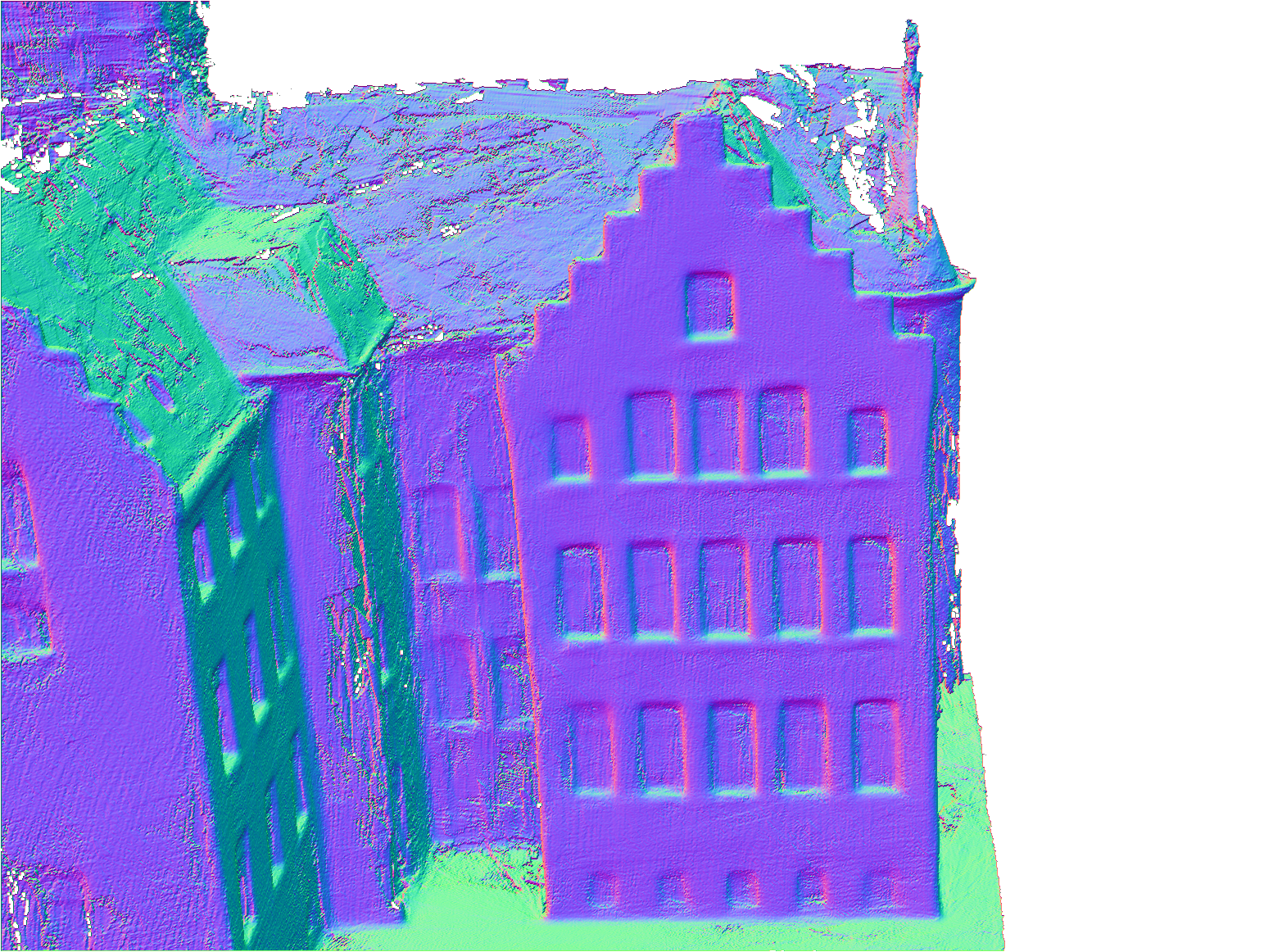
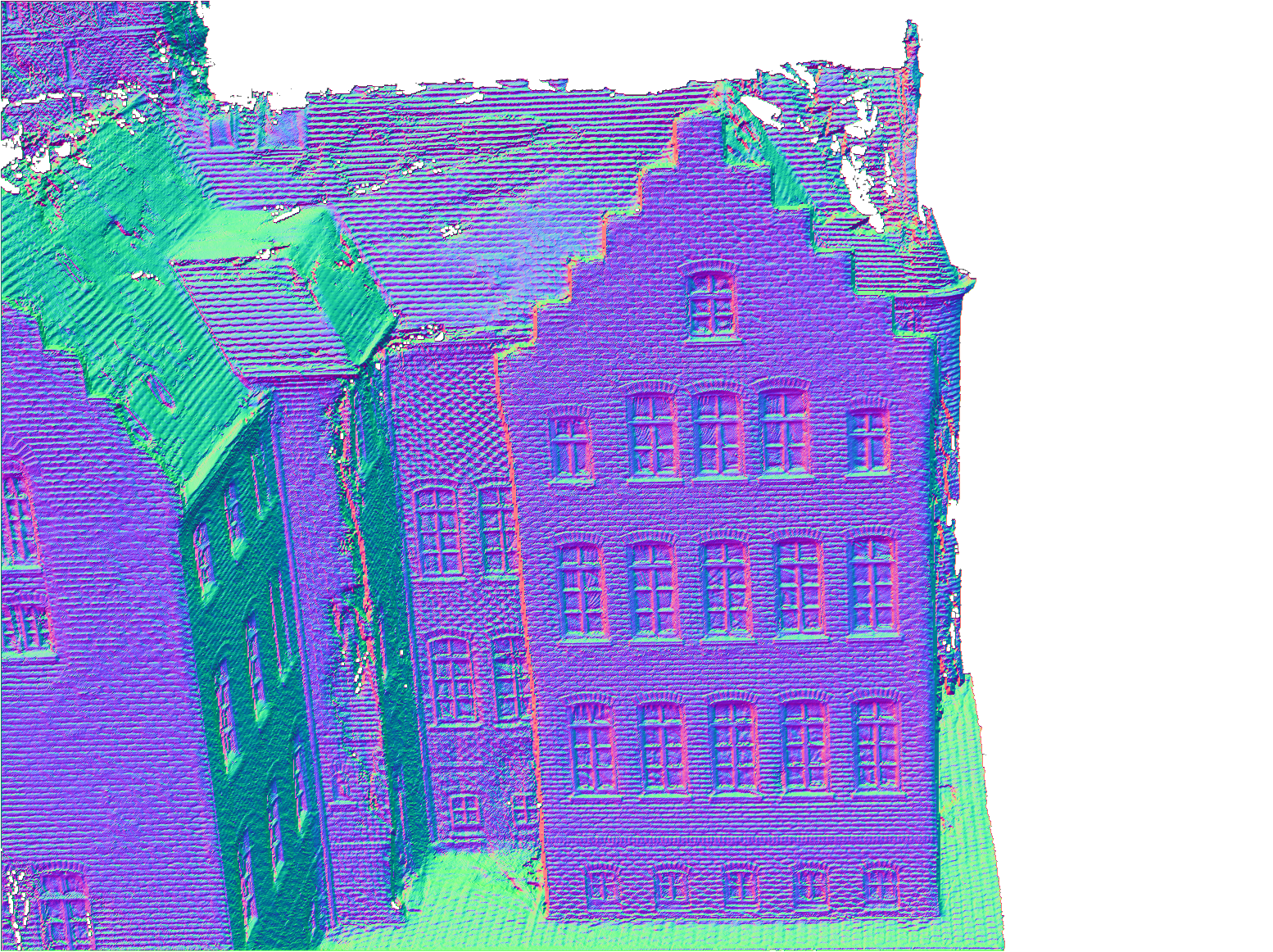
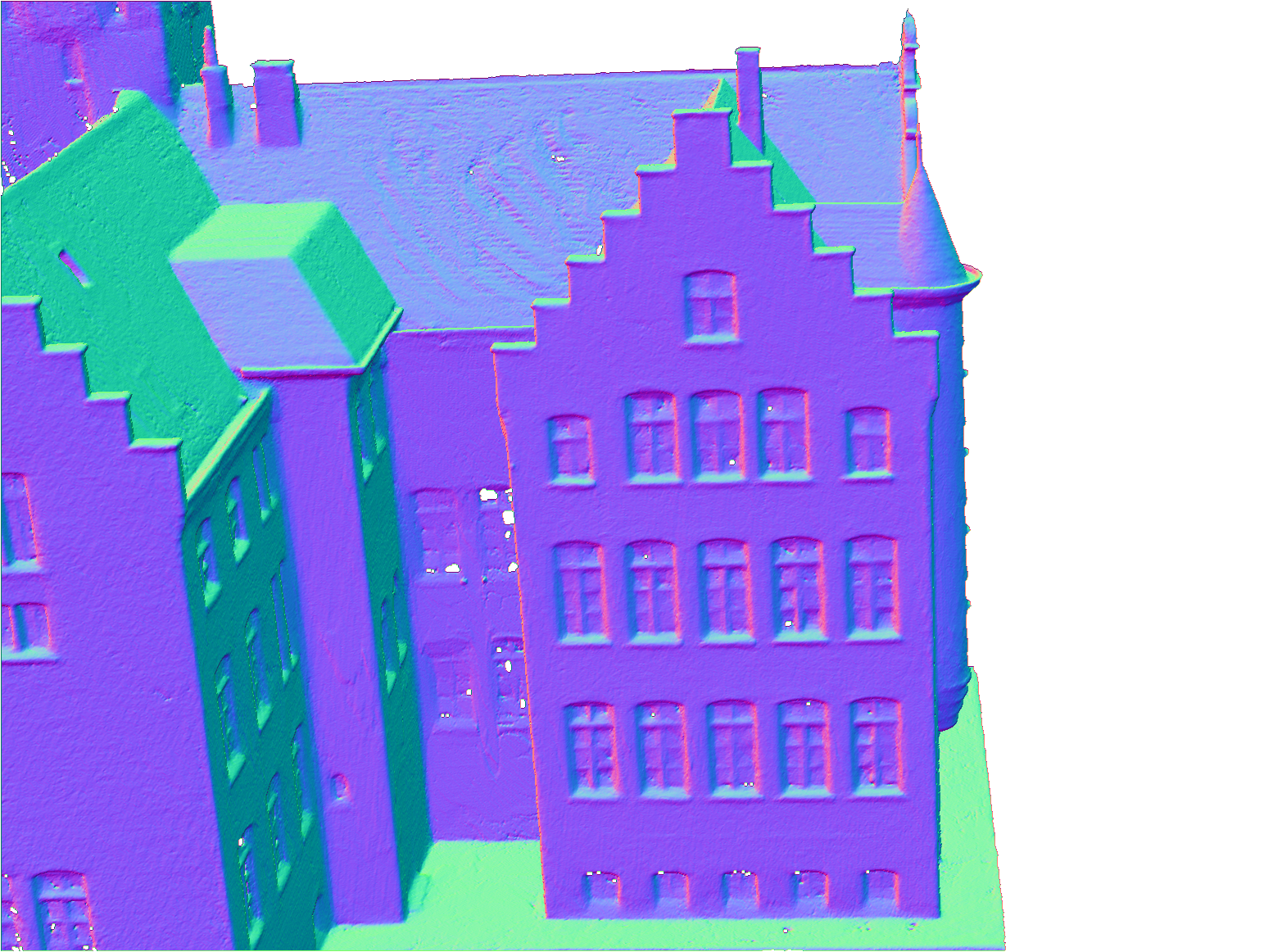
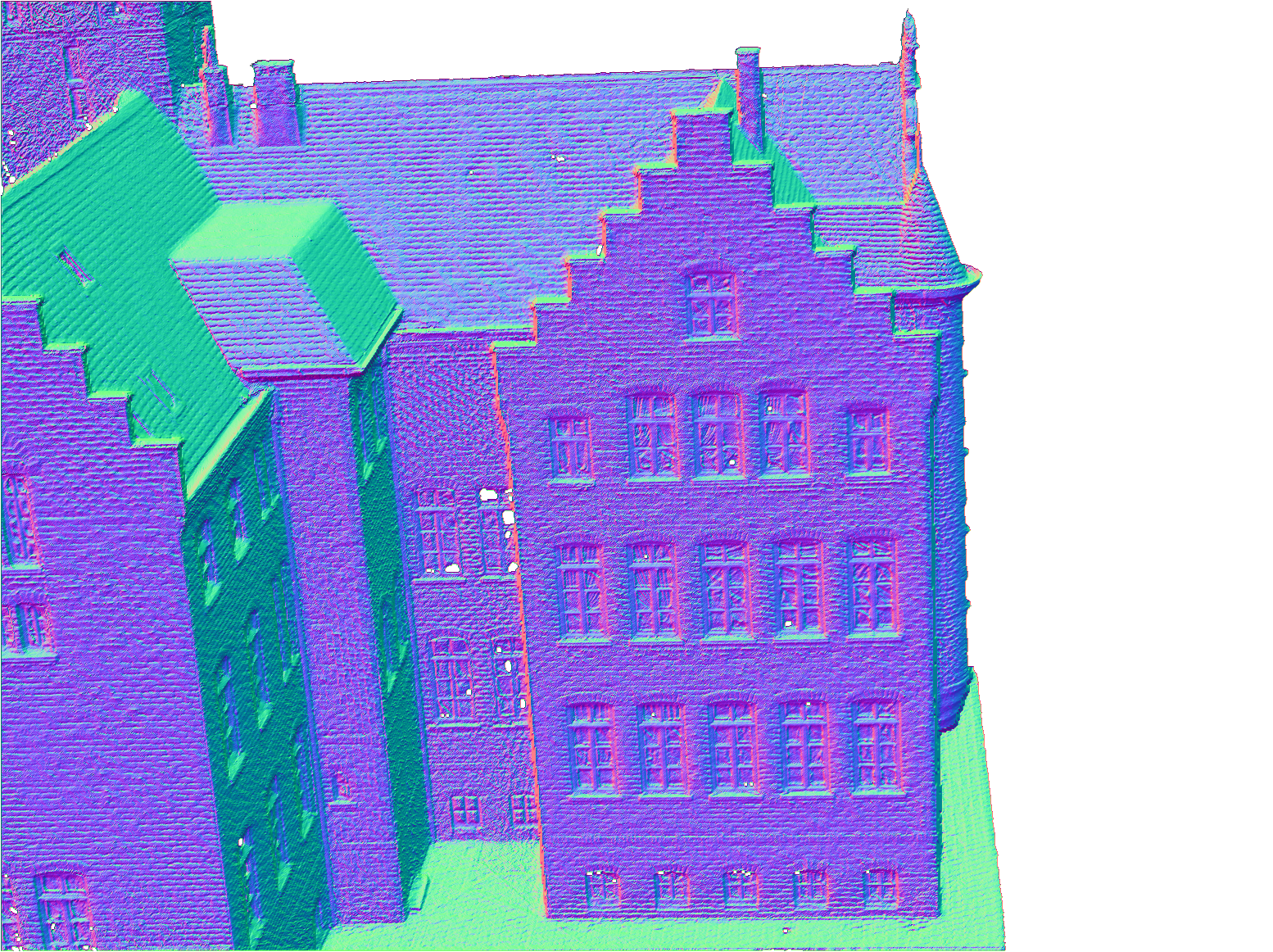
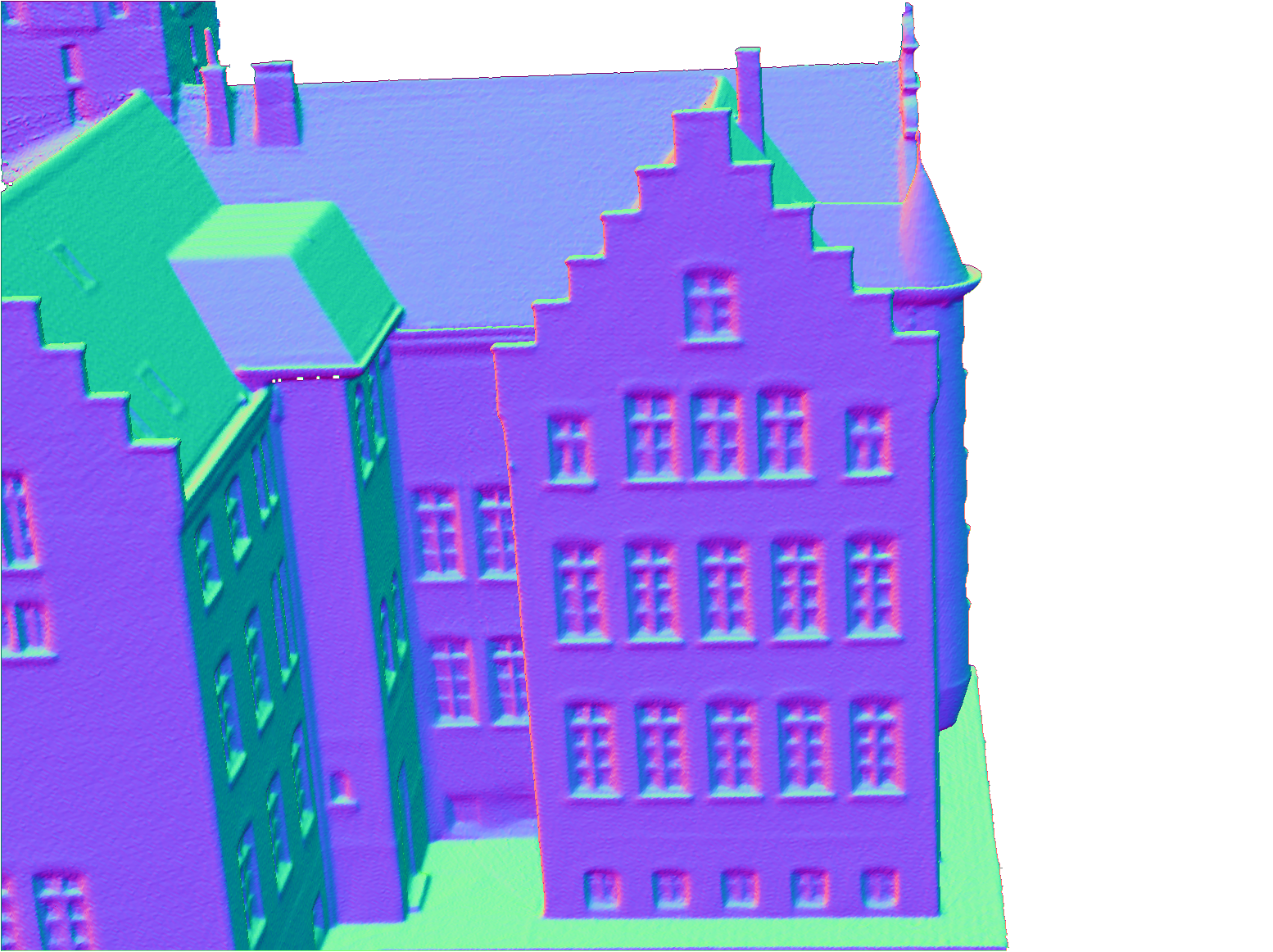
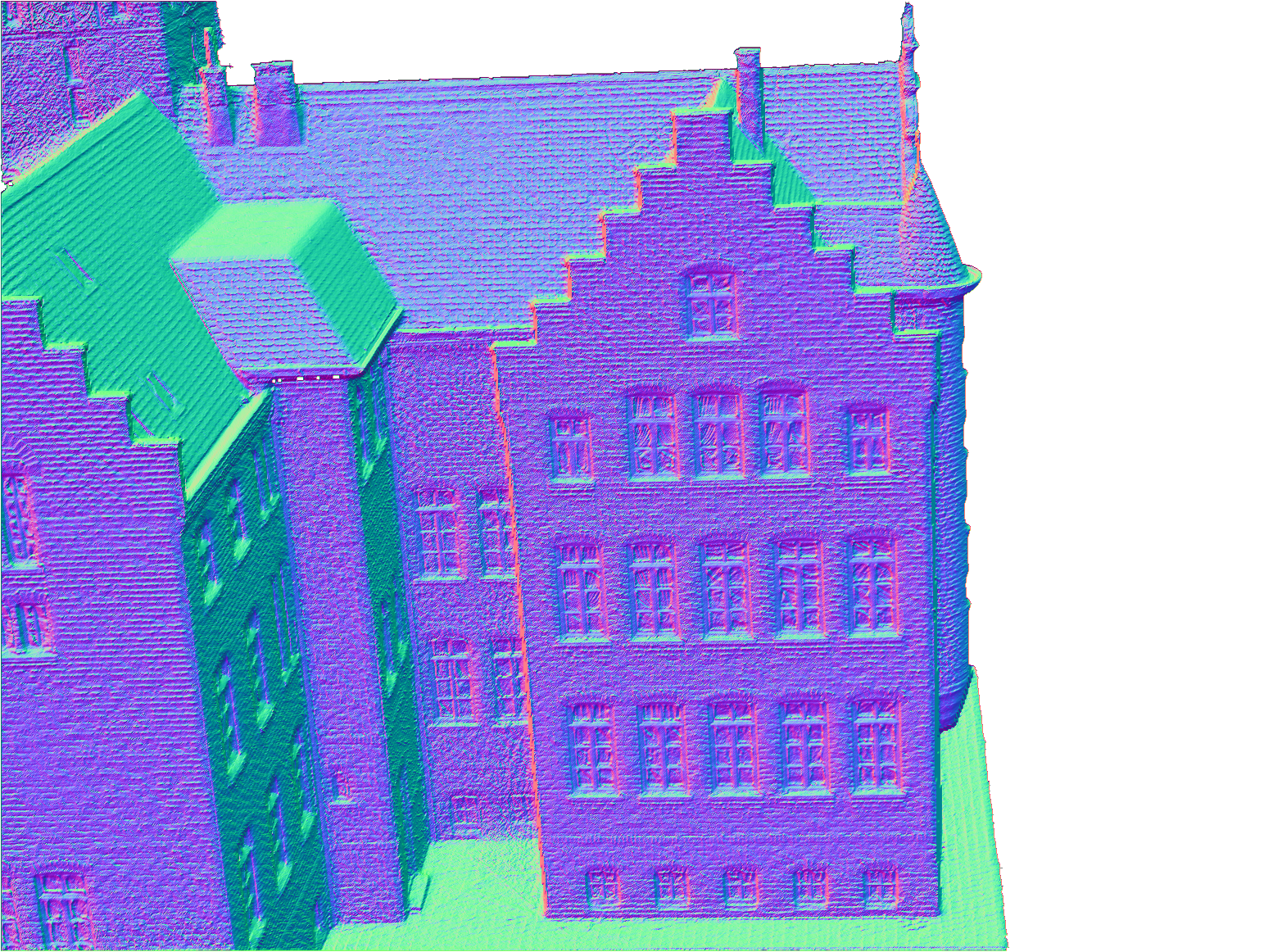
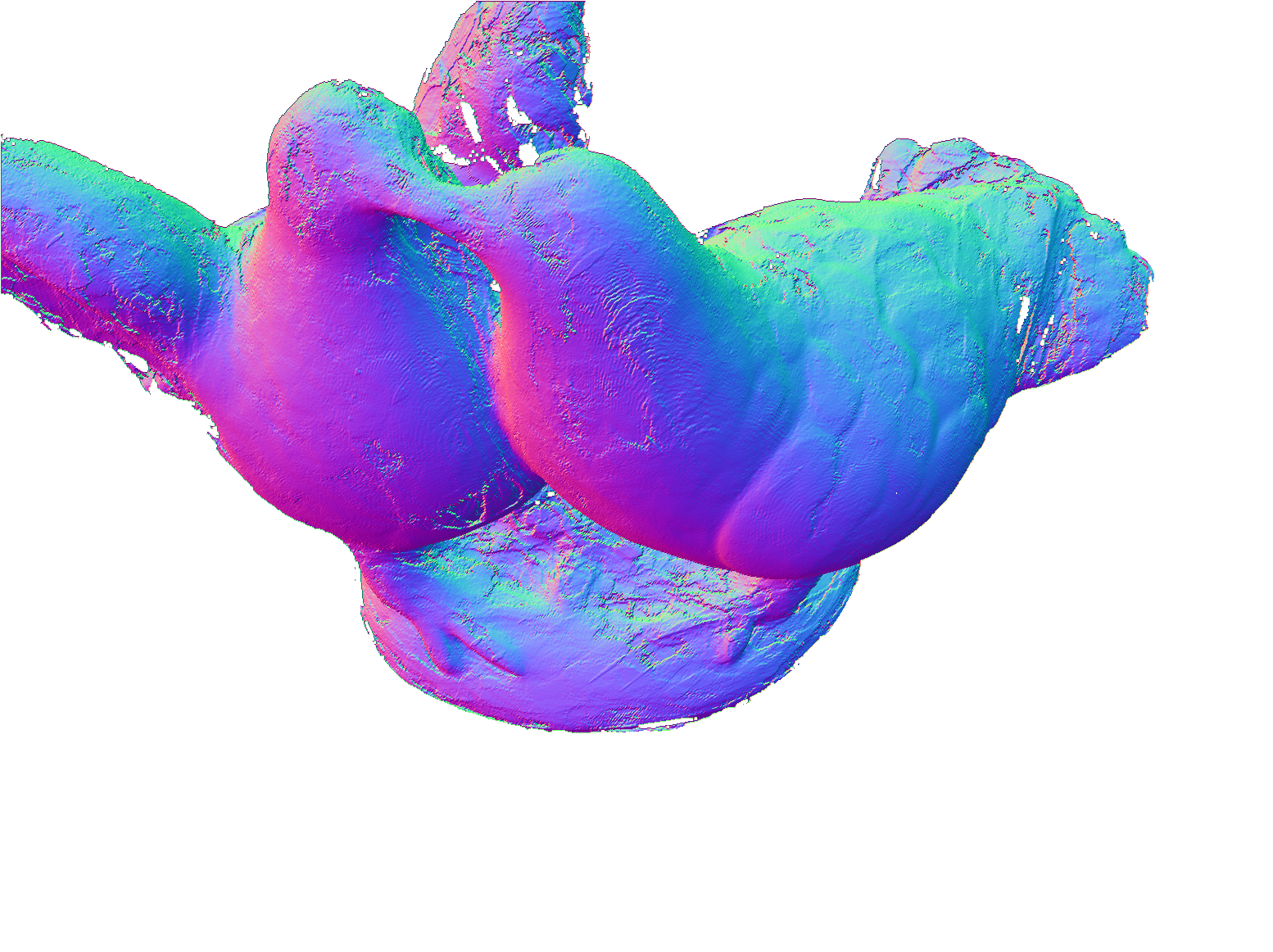
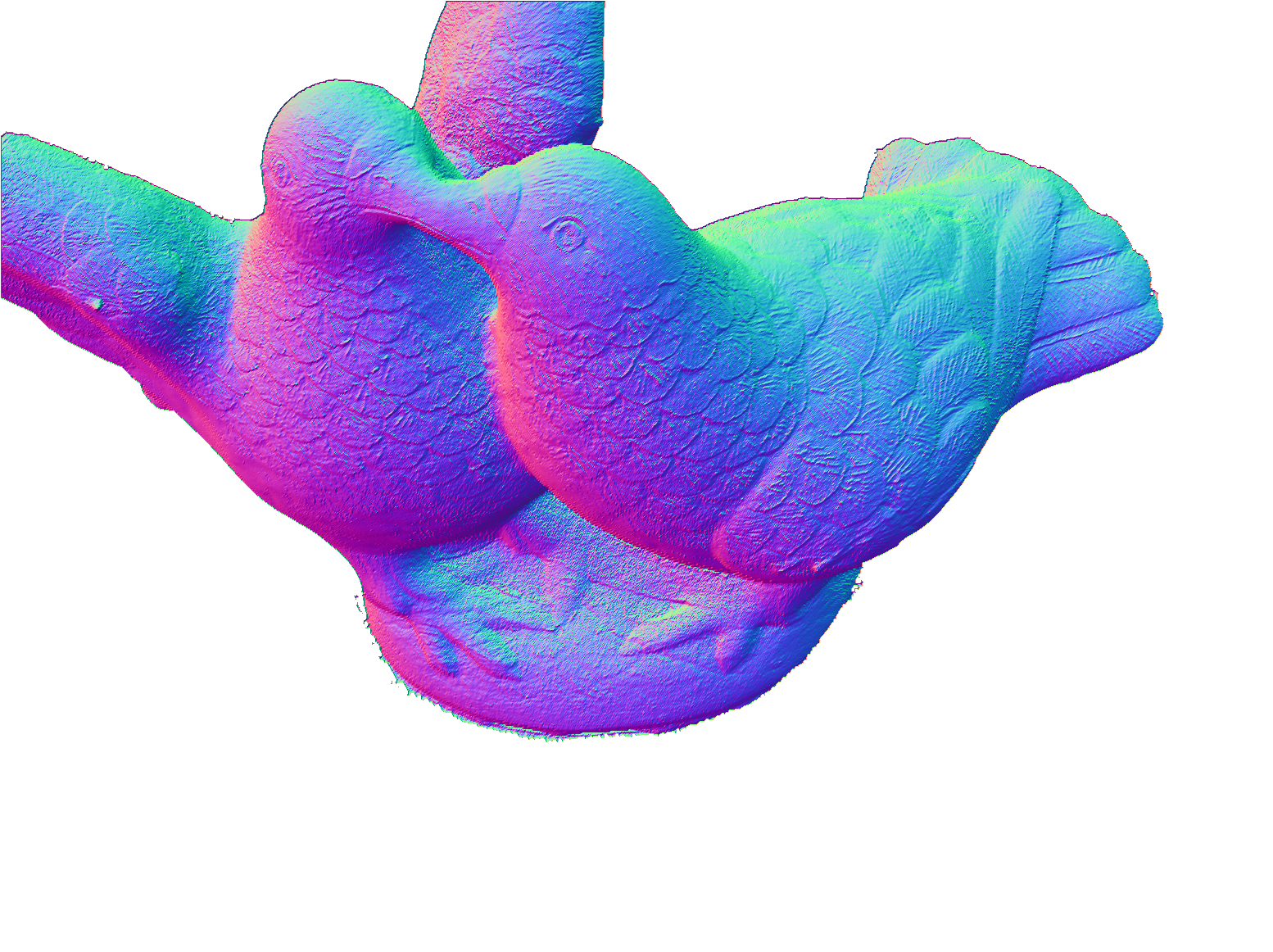
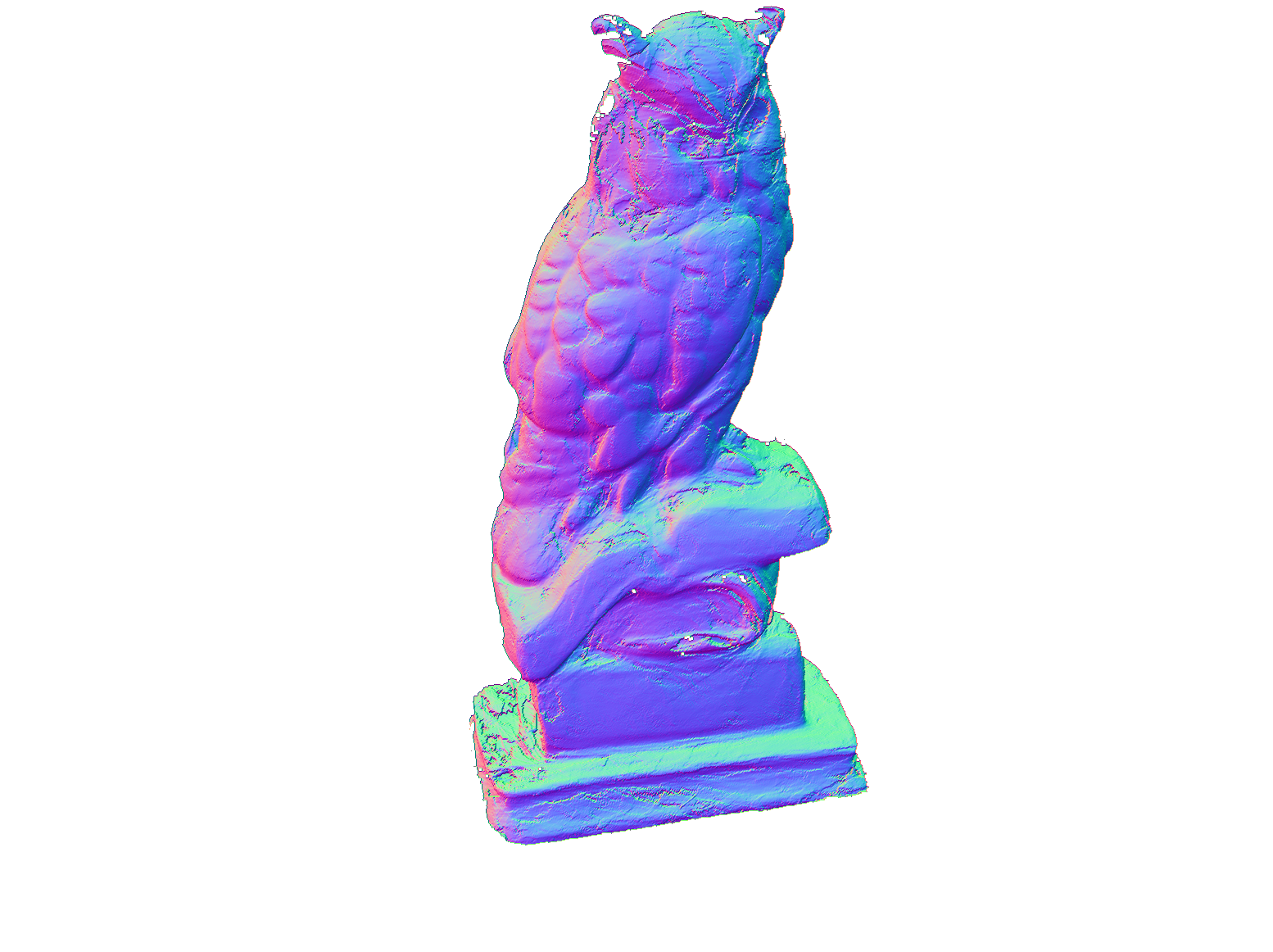
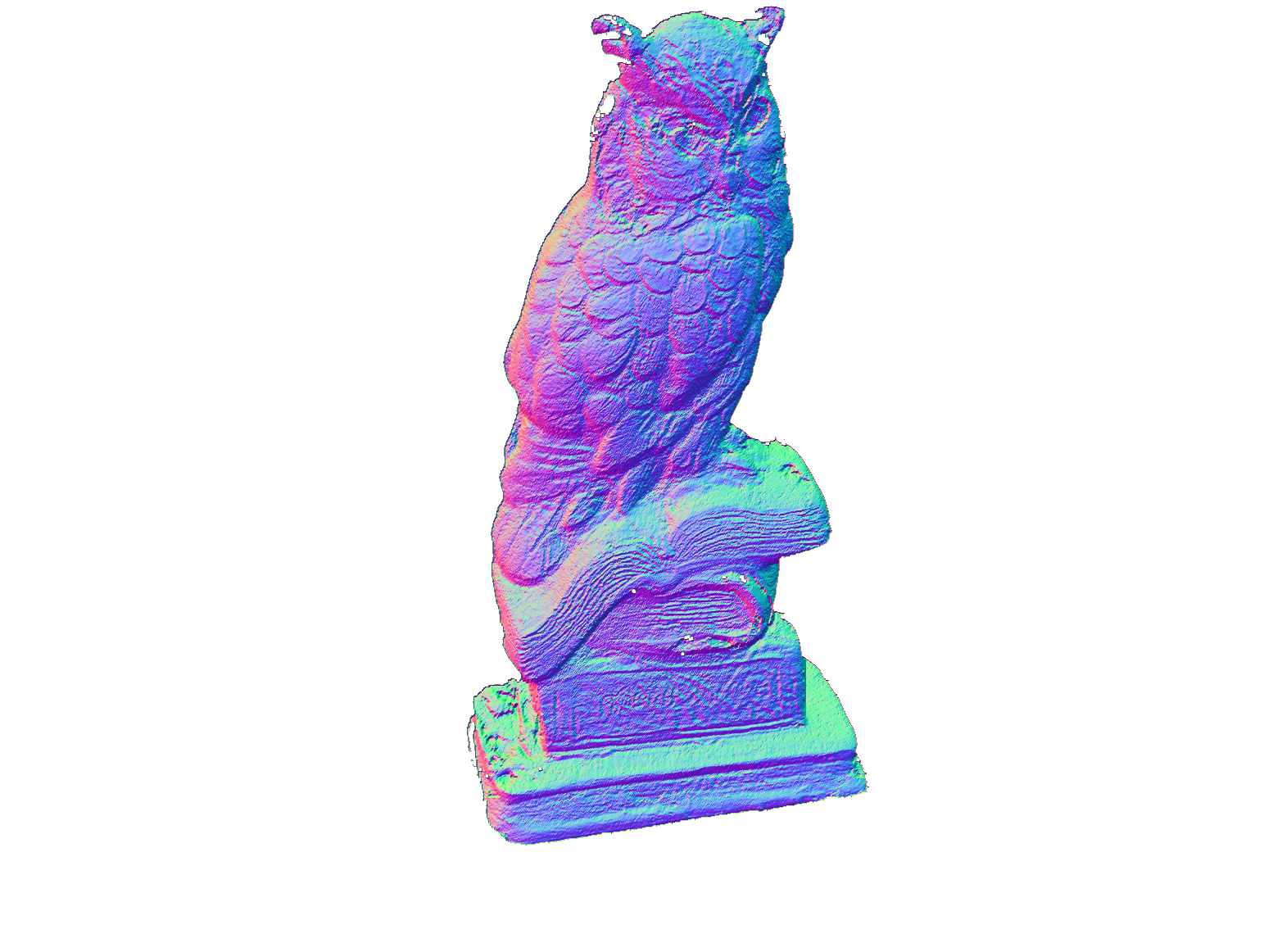
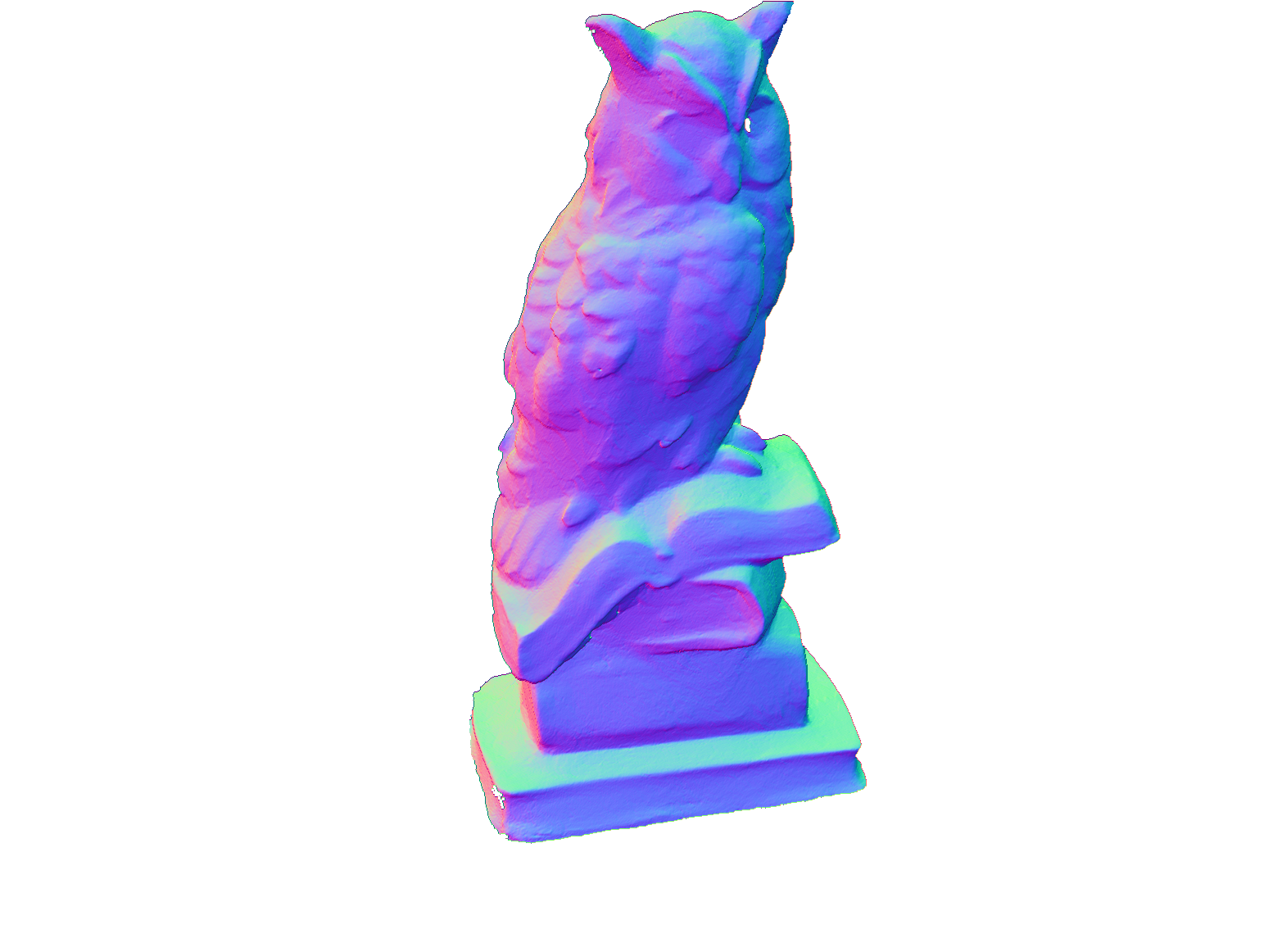
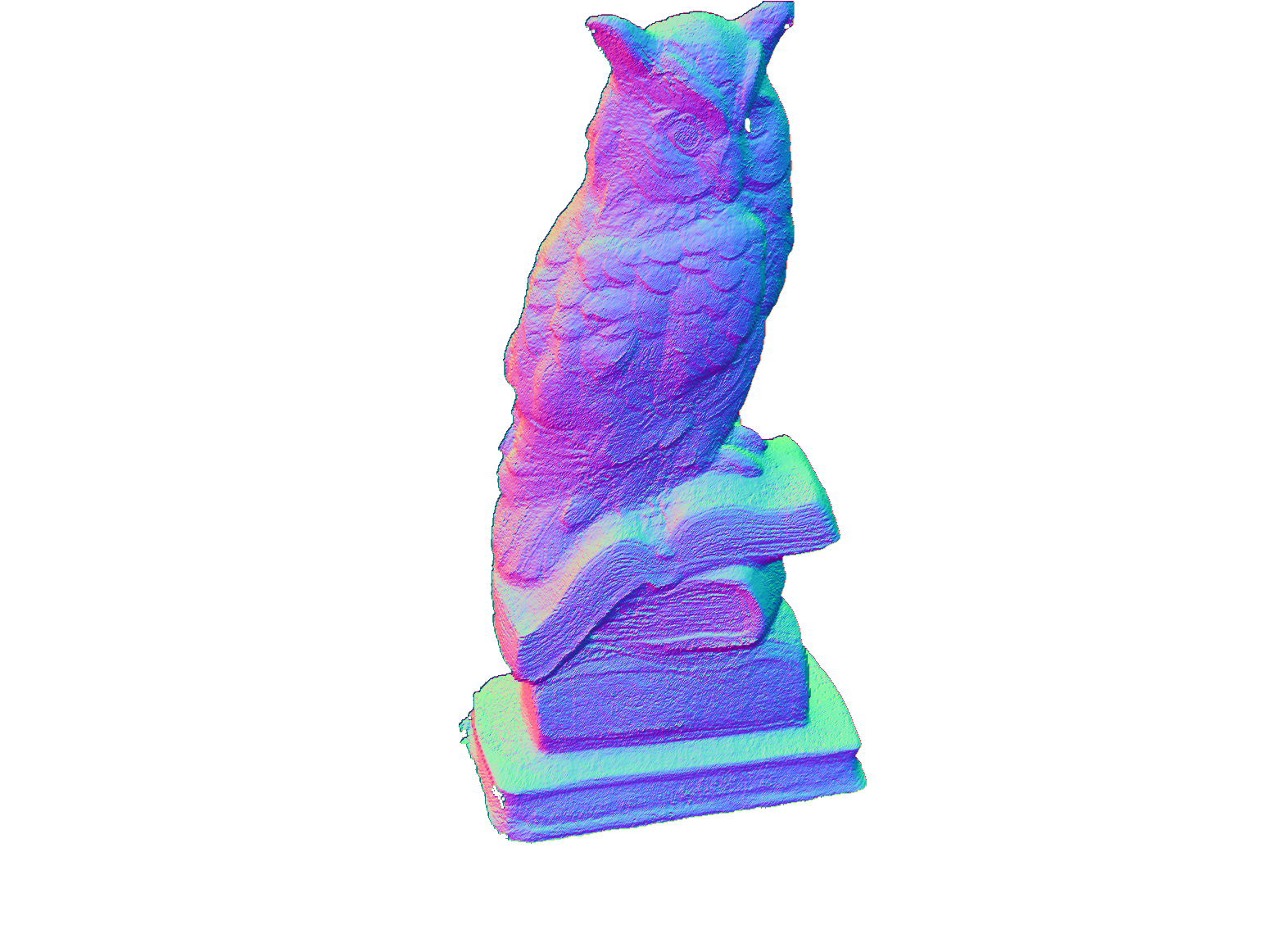
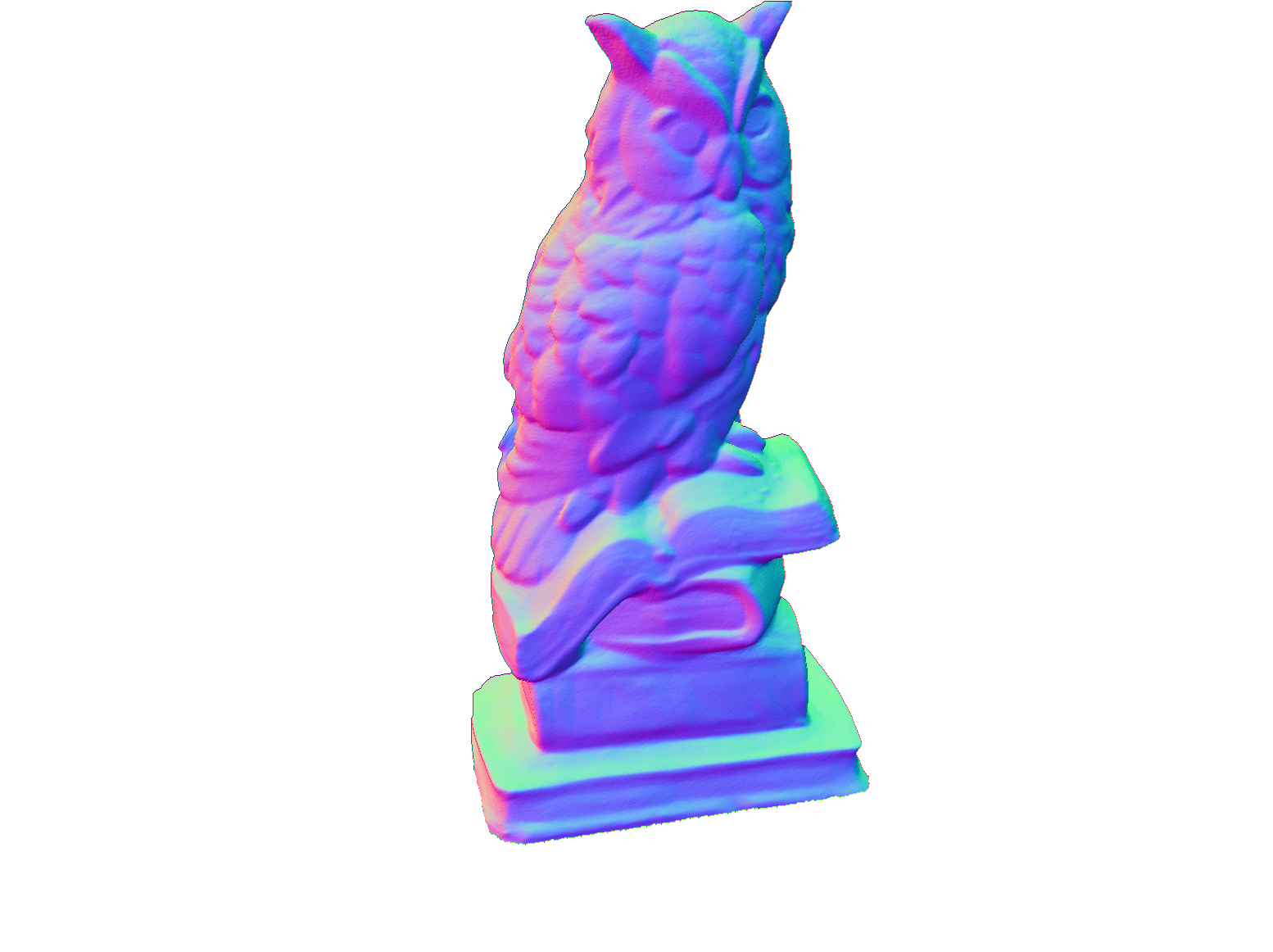
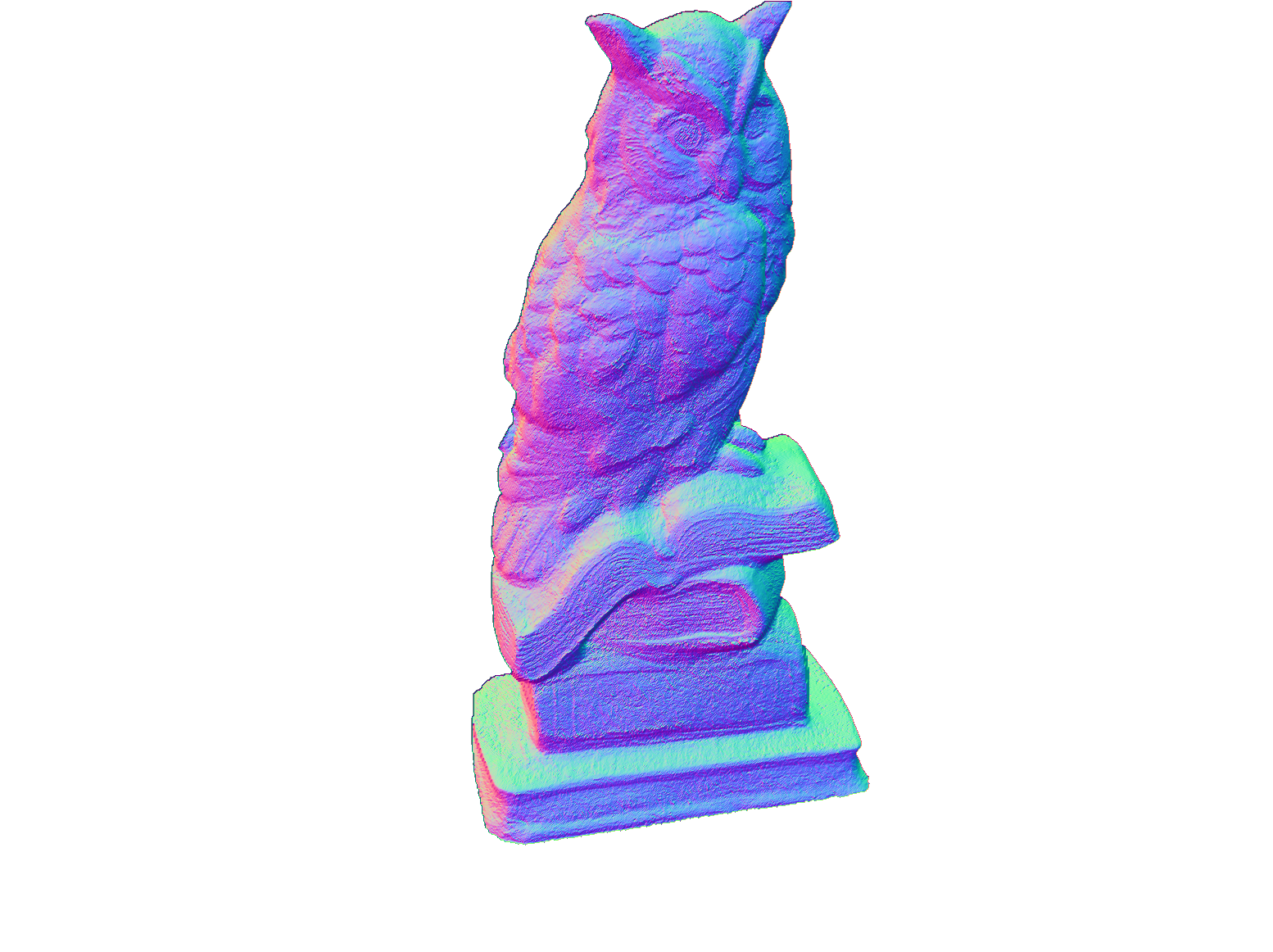
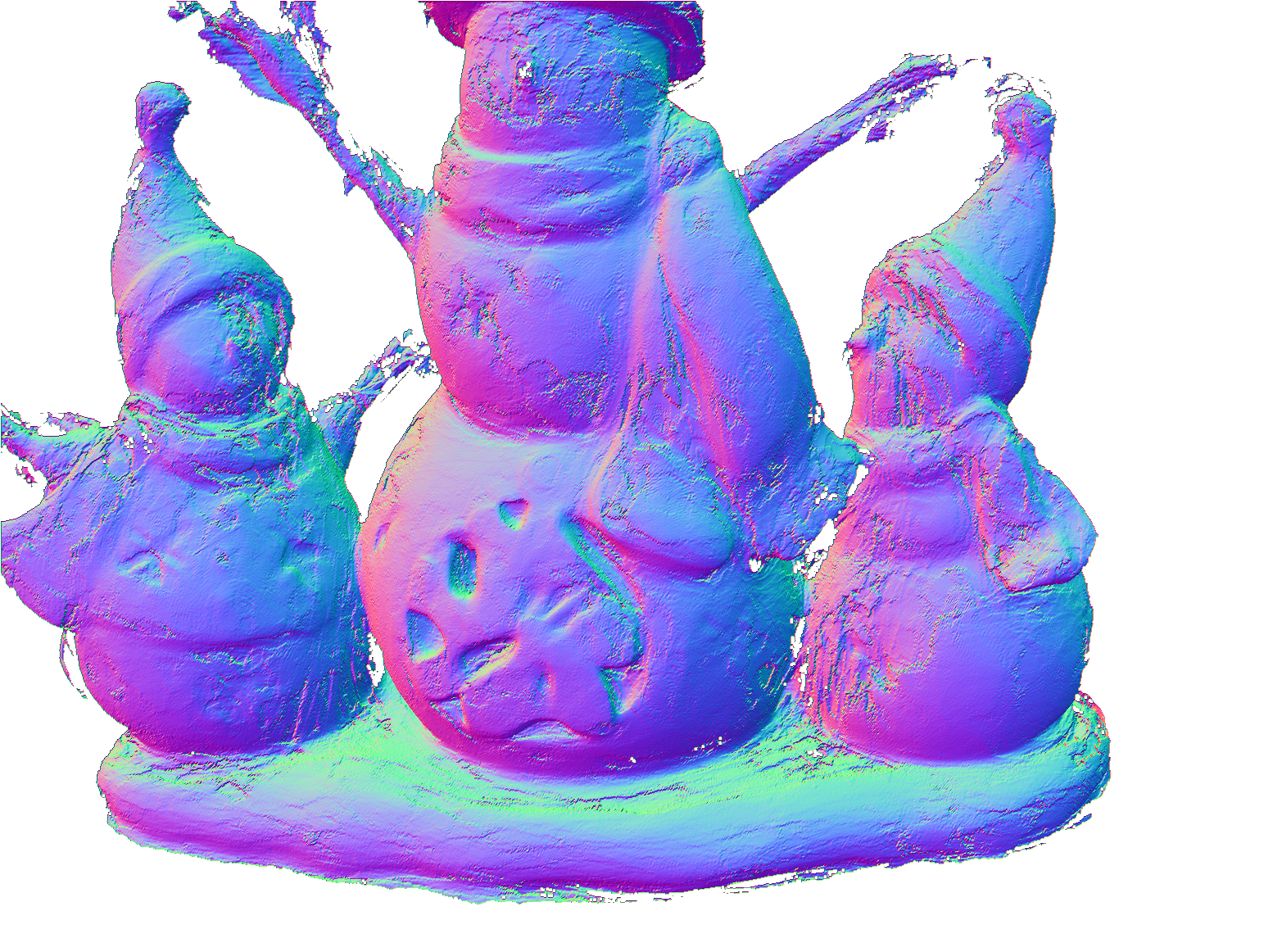
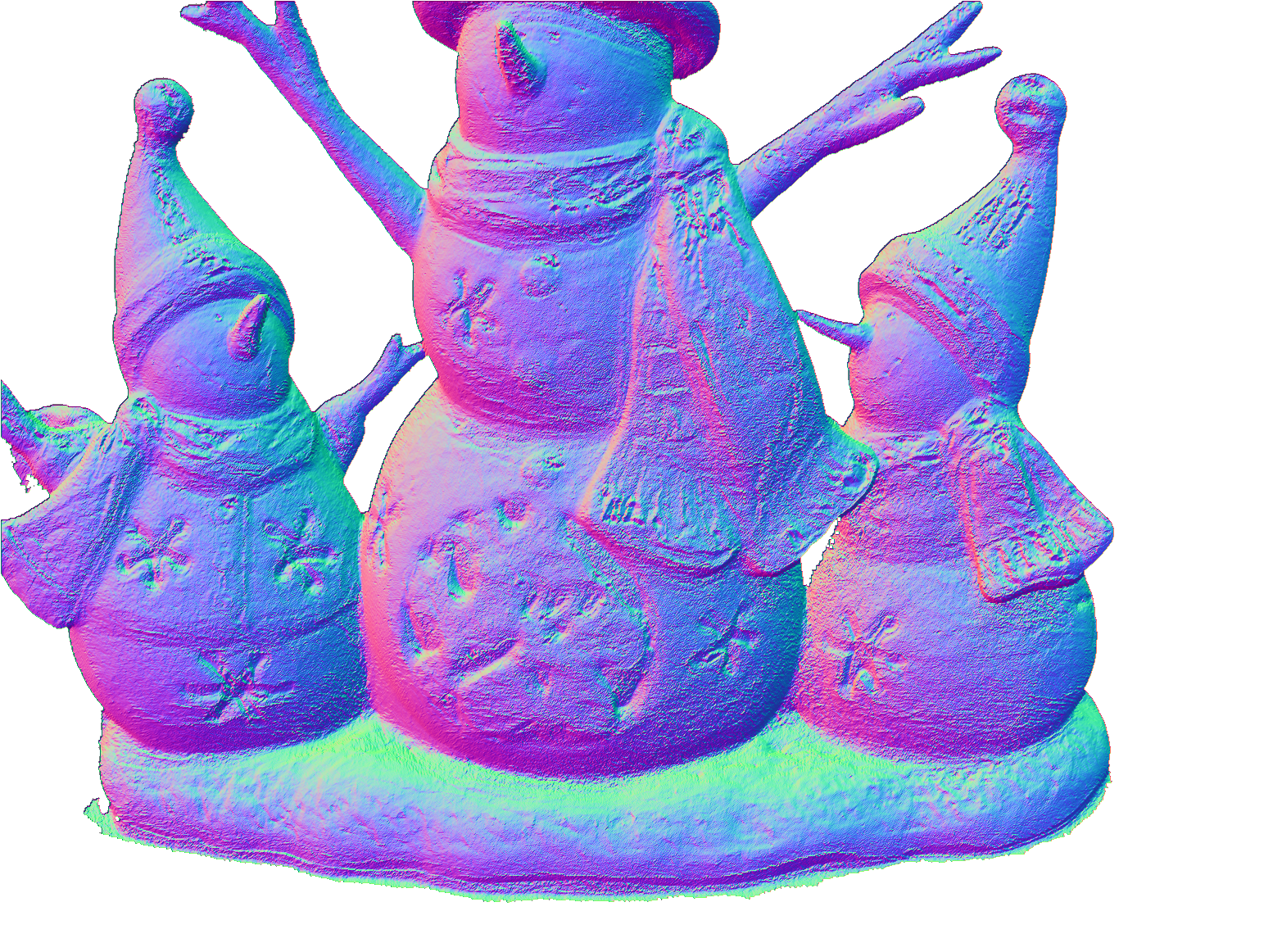
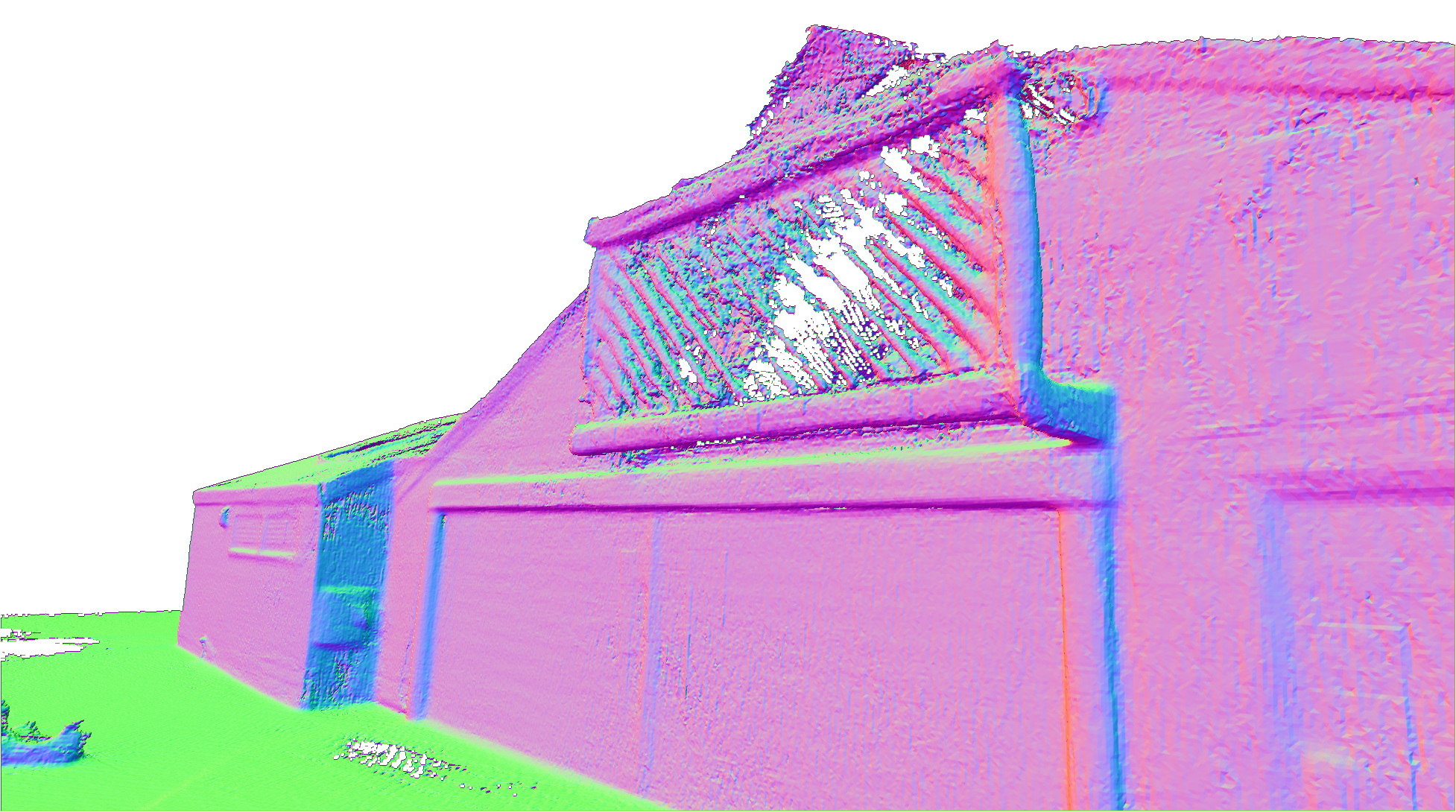
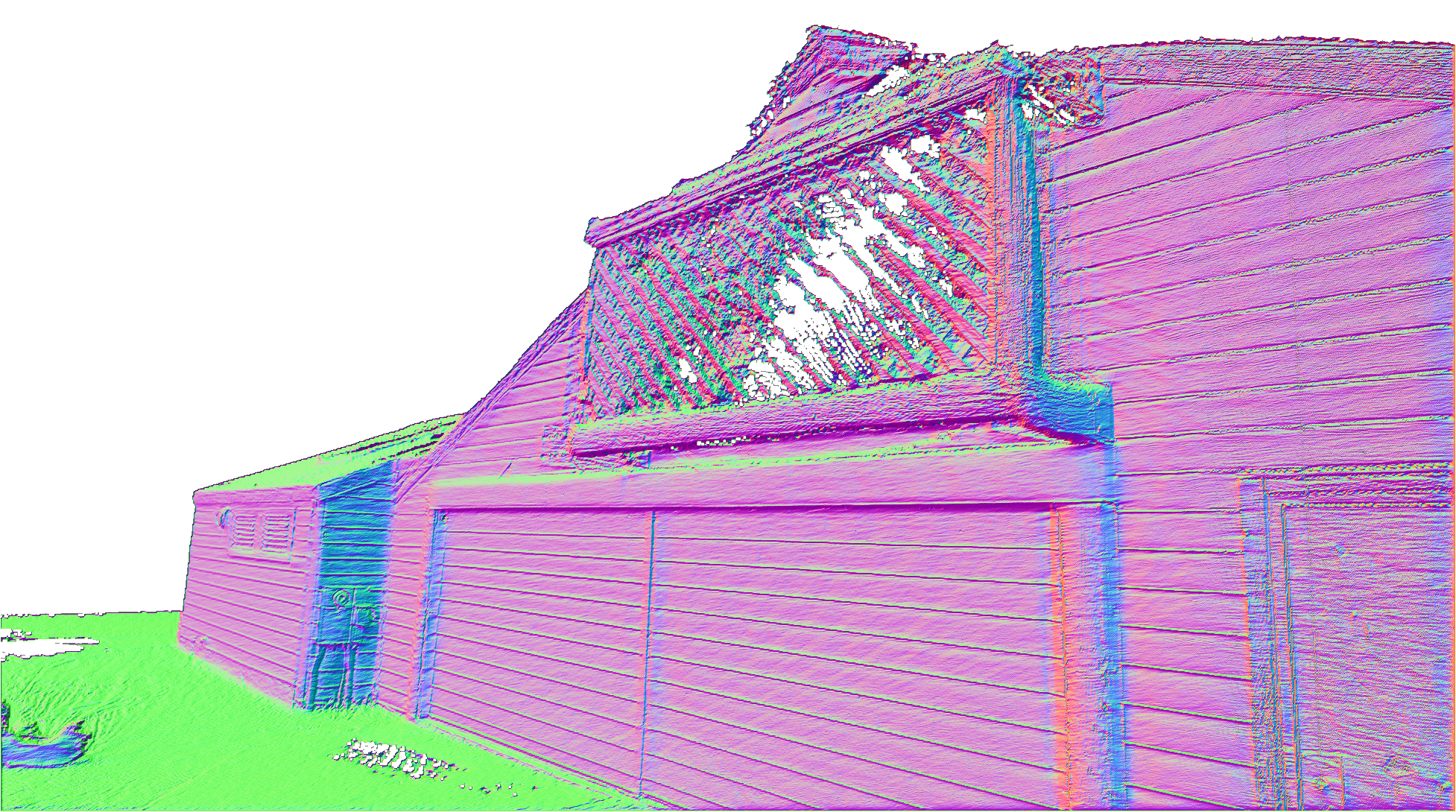
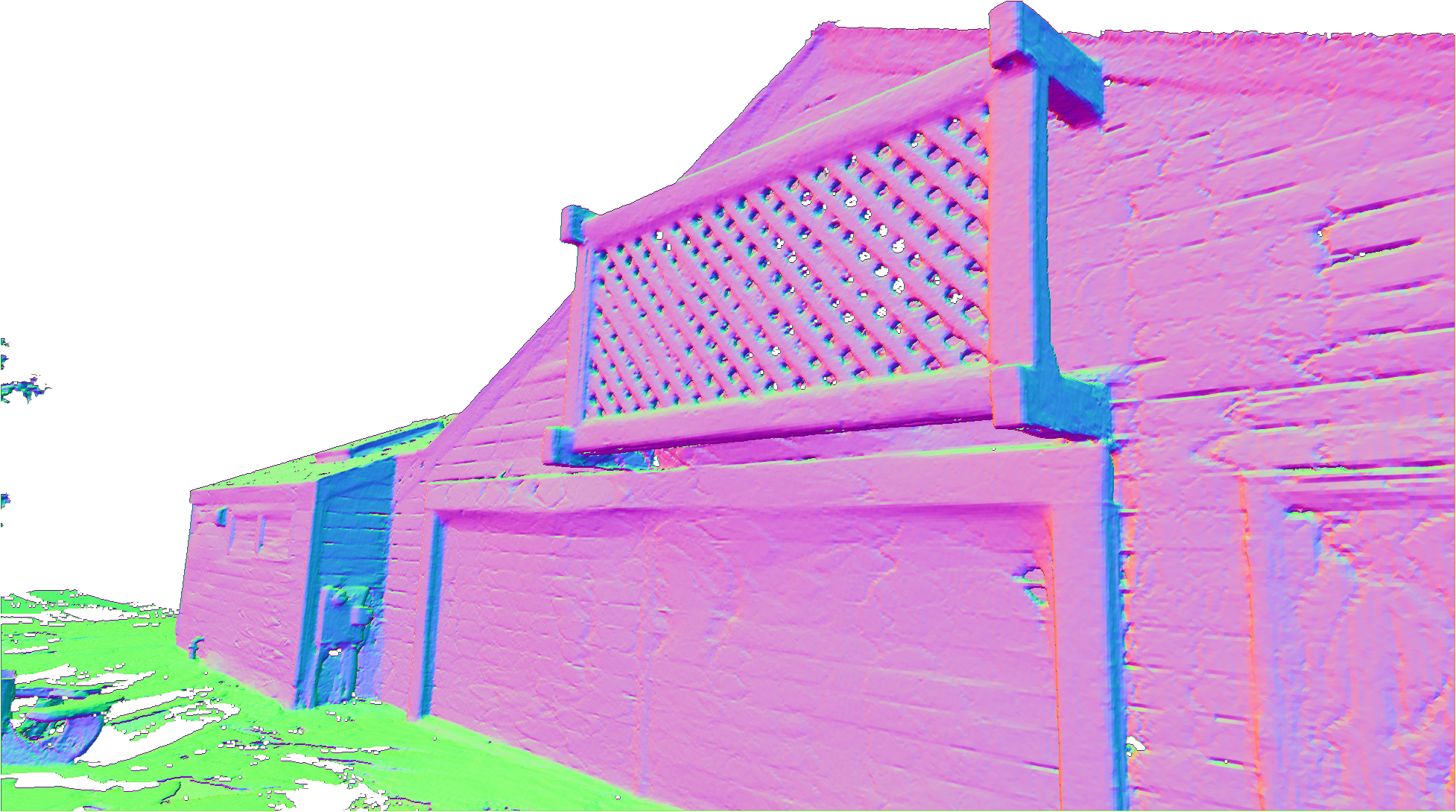
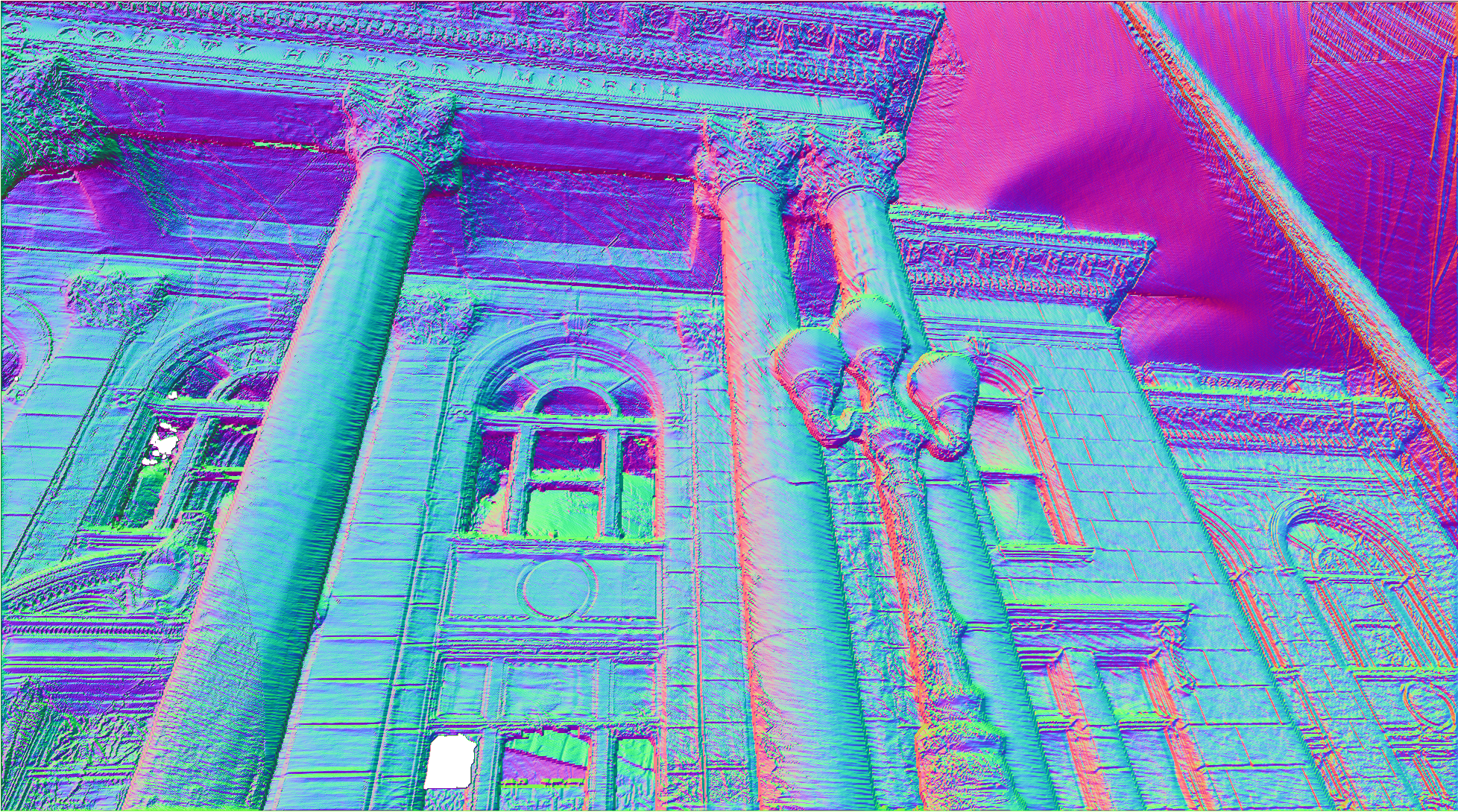
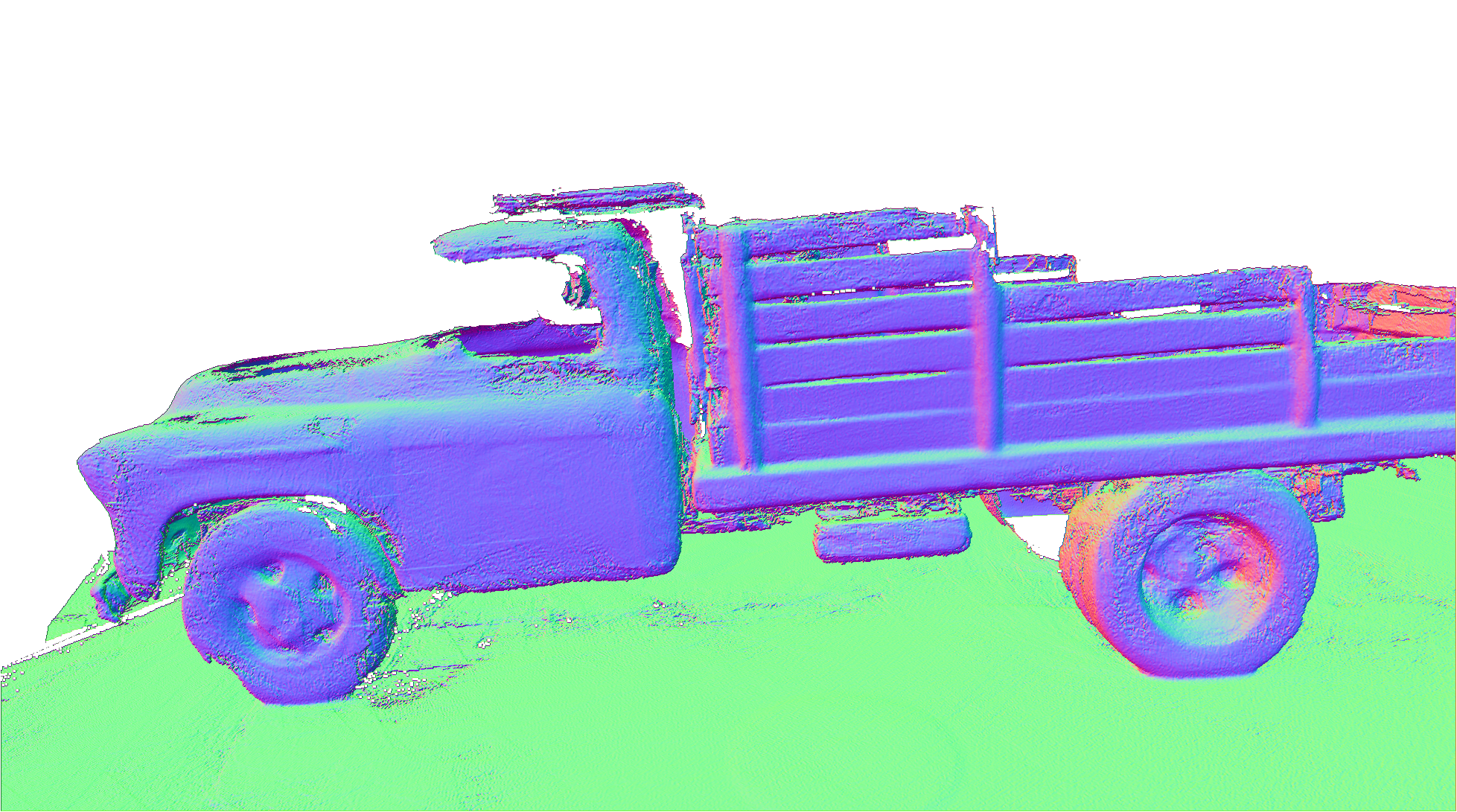
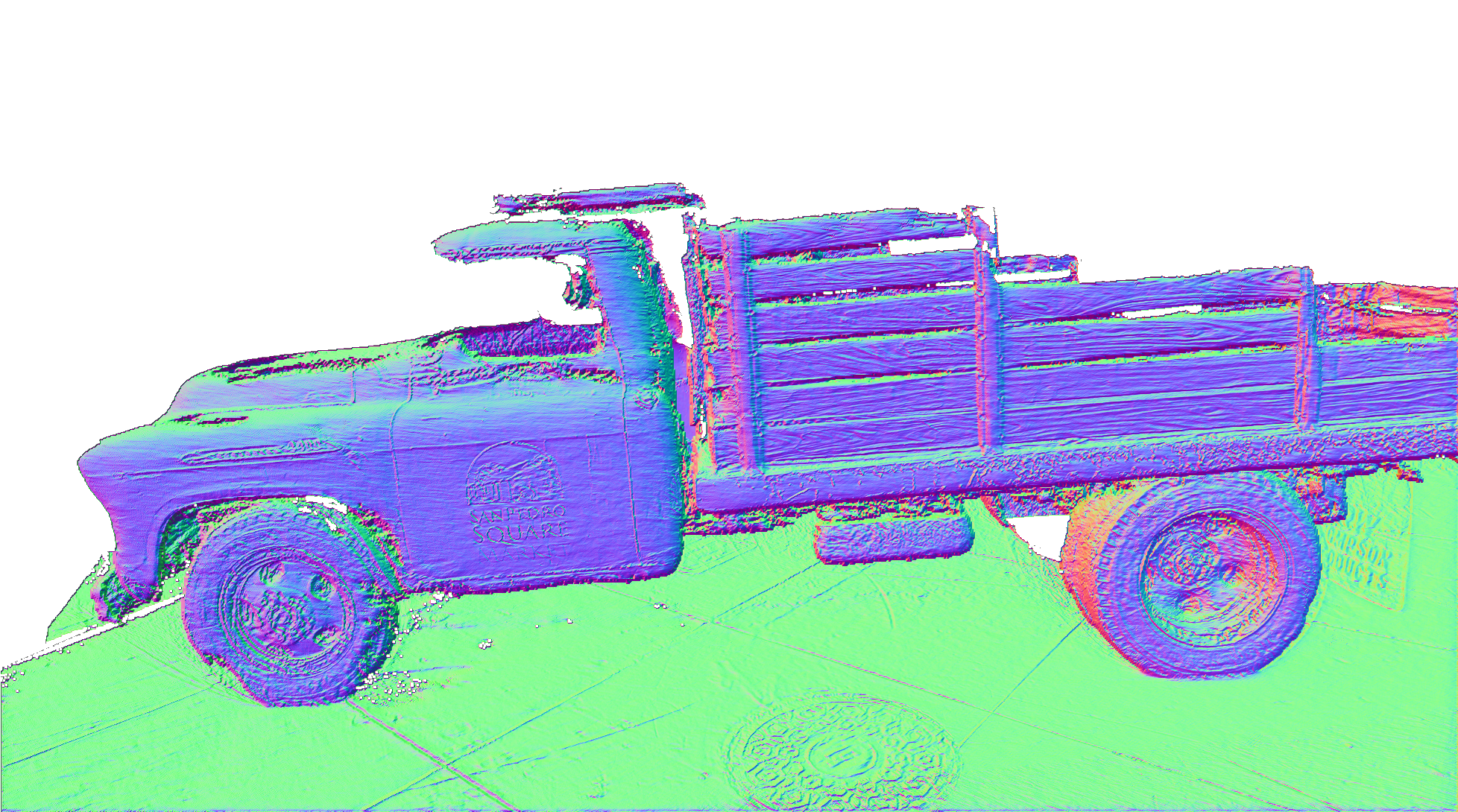
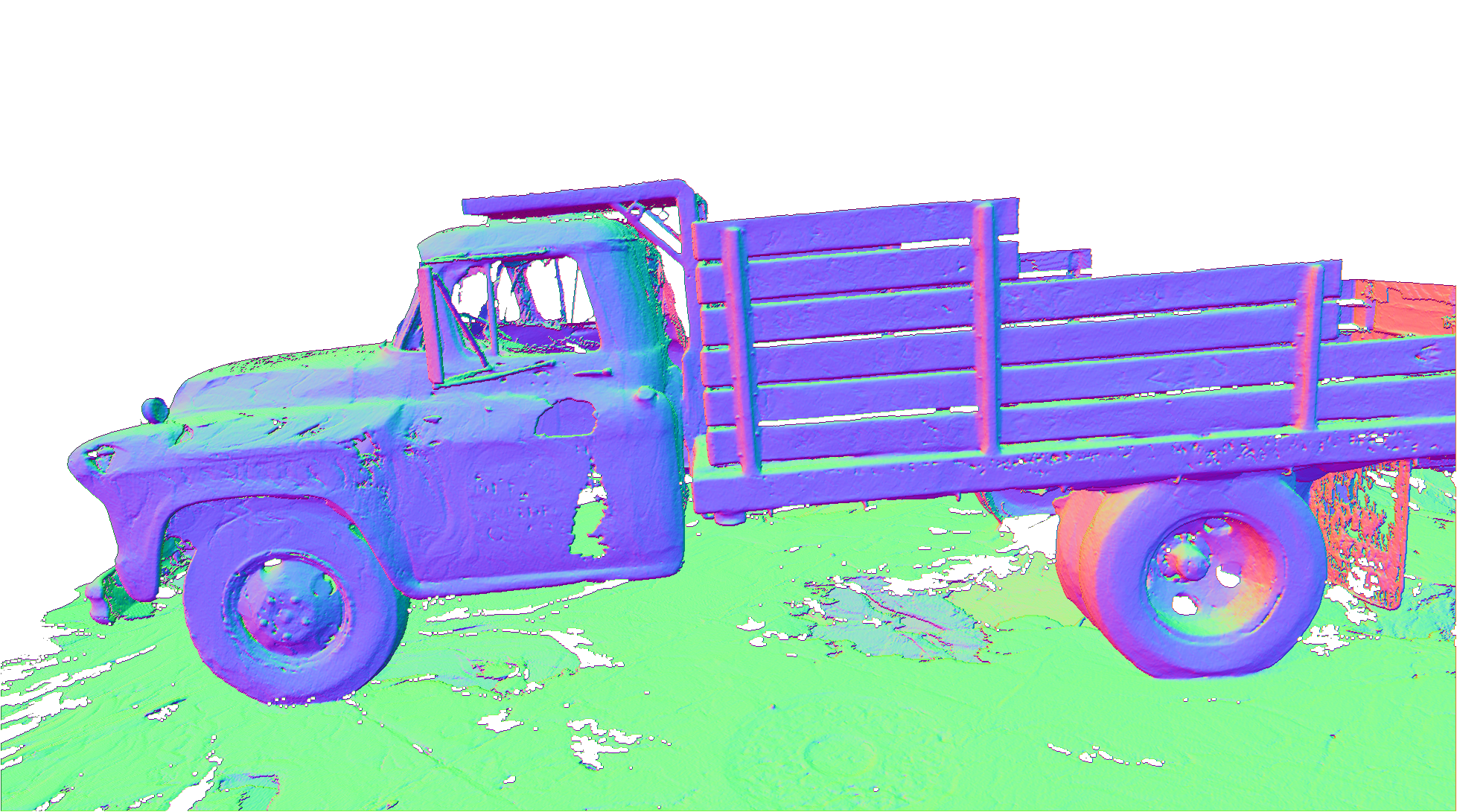
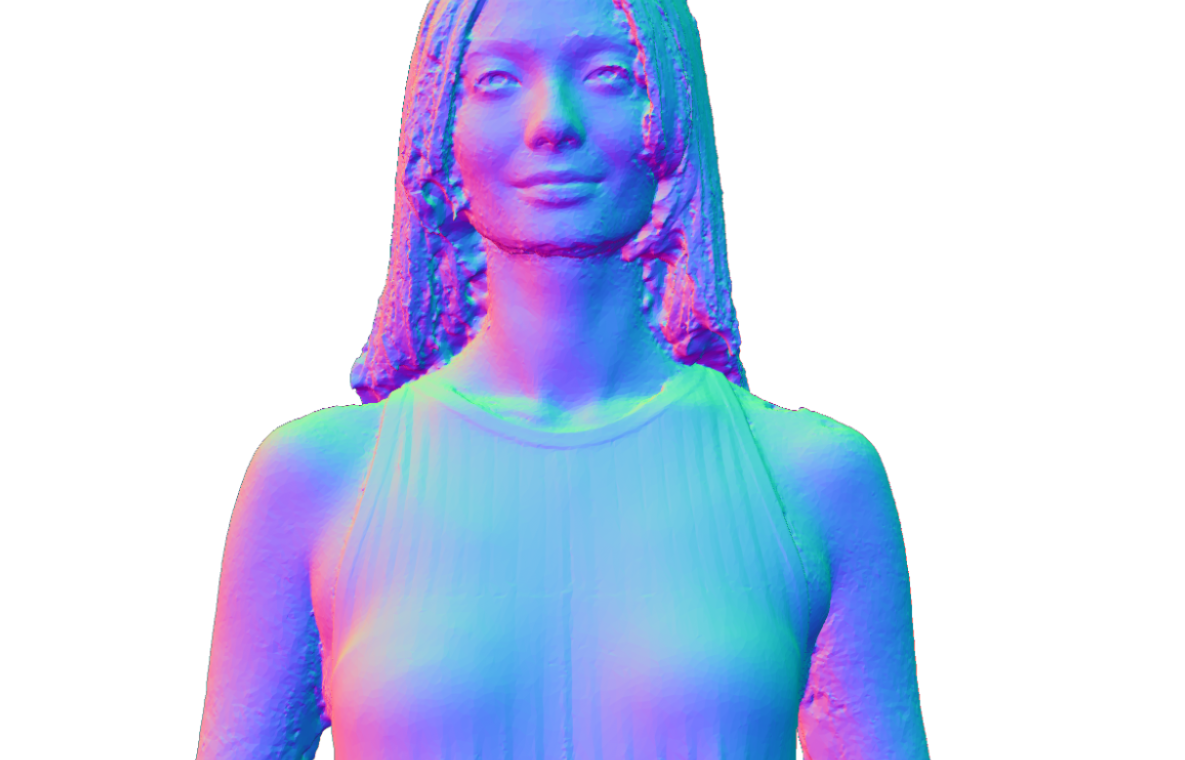
The synchronized comparisons below show how PAGaS sharpens geometric detail after refining MVSA, 2DGS, and PGSR reconstructions. Drag the slider to see how PAGaS refines the geometry, and move the pointer over any image to slide a magnifying lens to appreciate the added pixel-level detail.
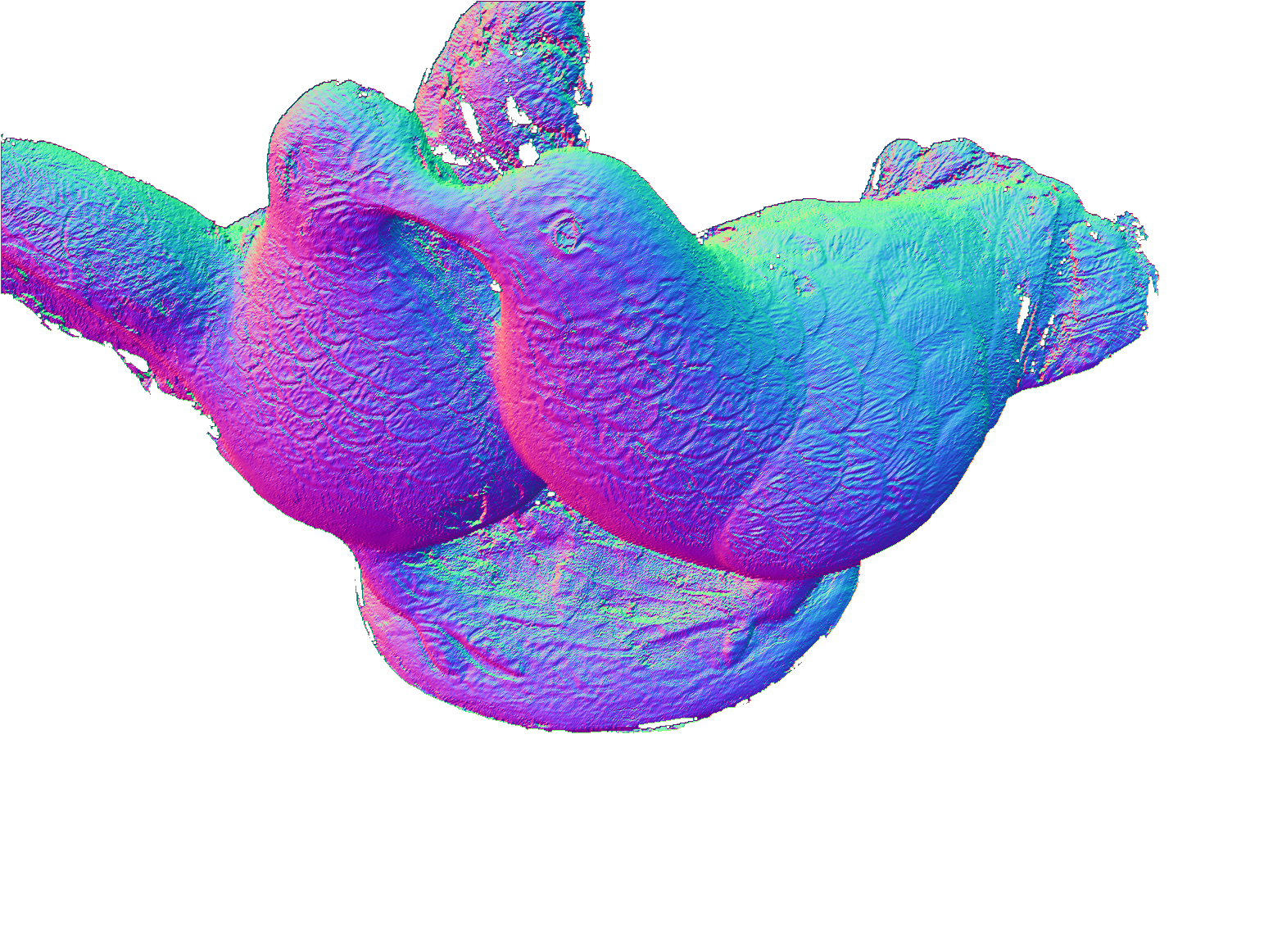
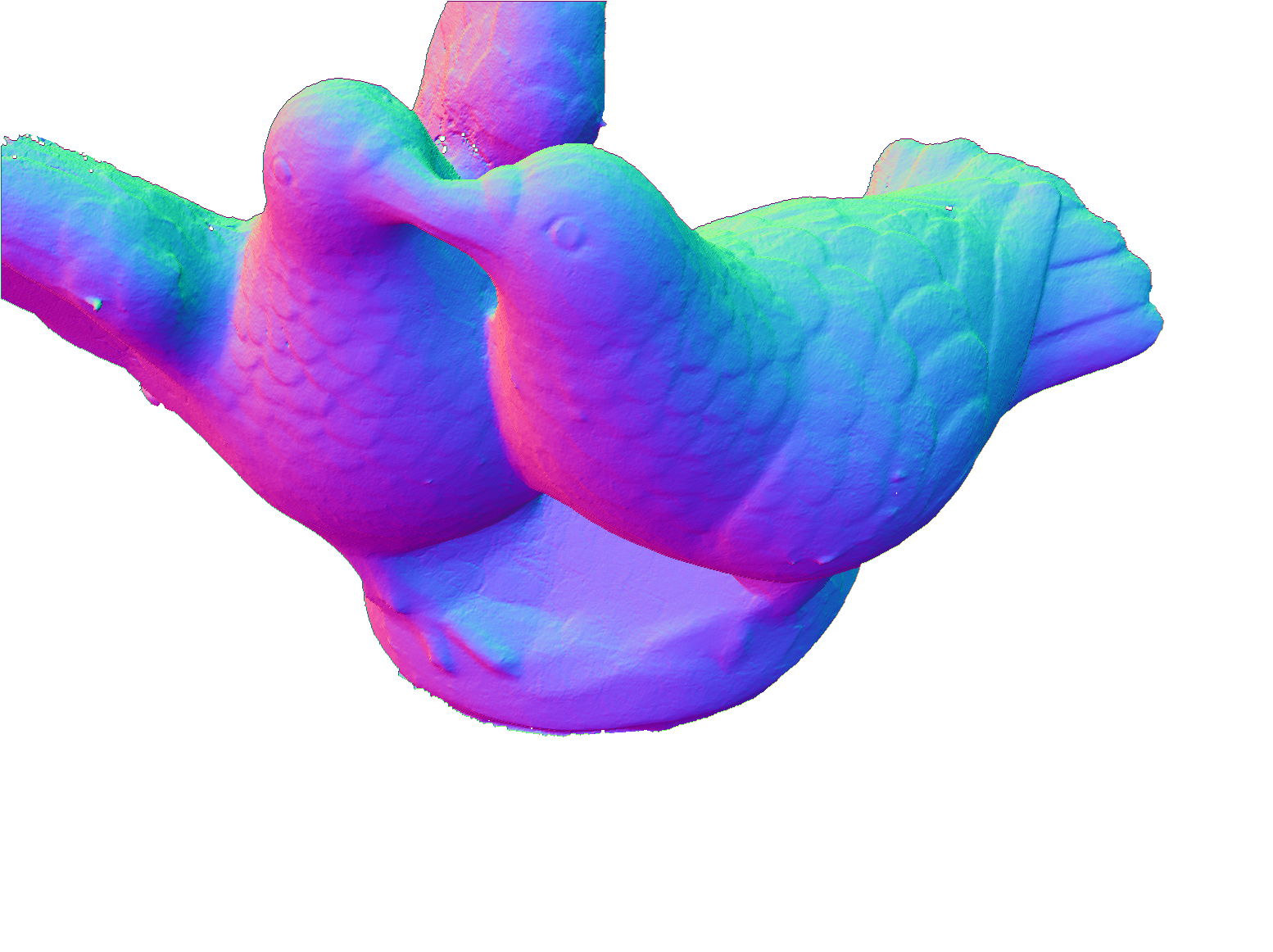
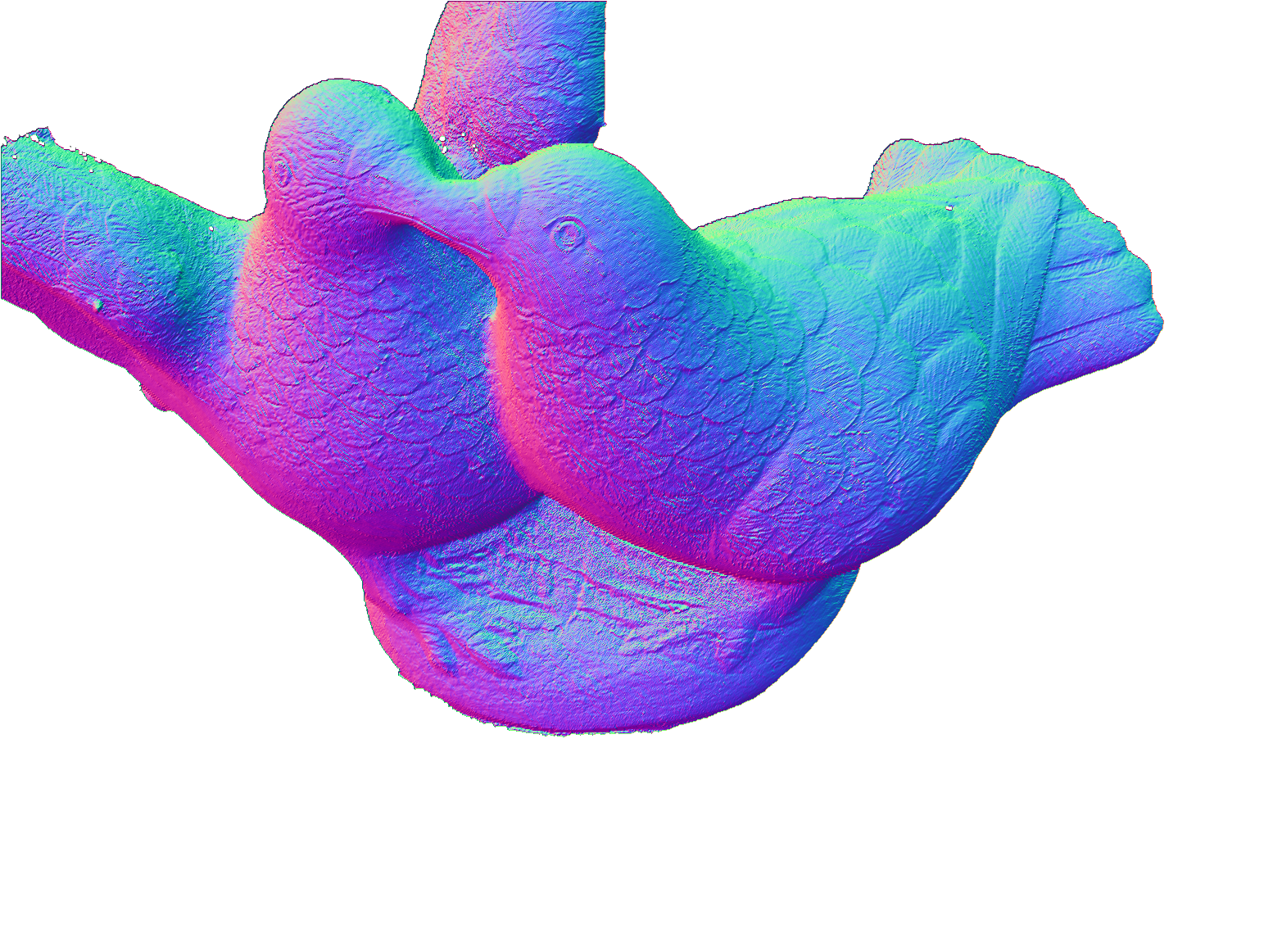
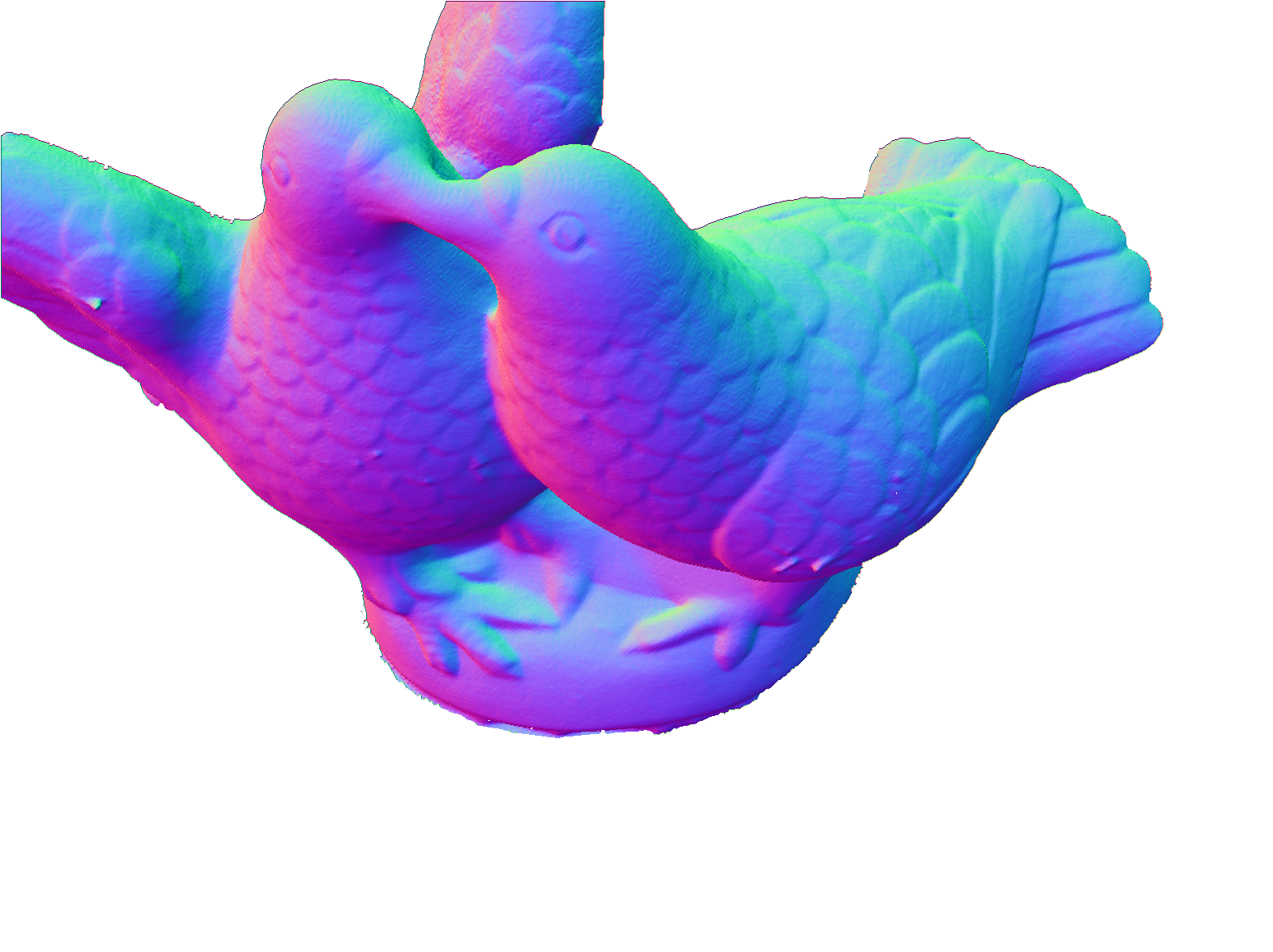
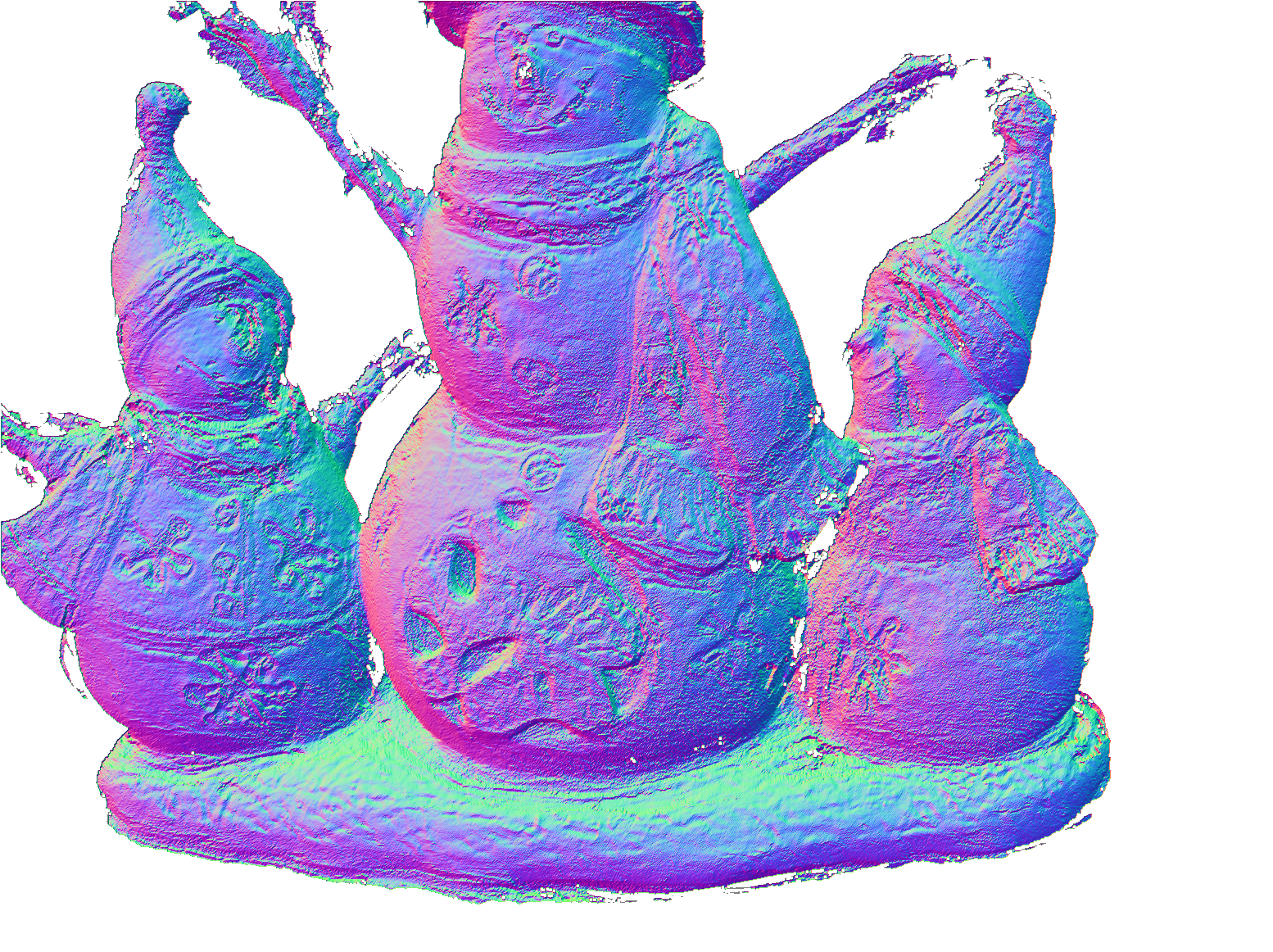
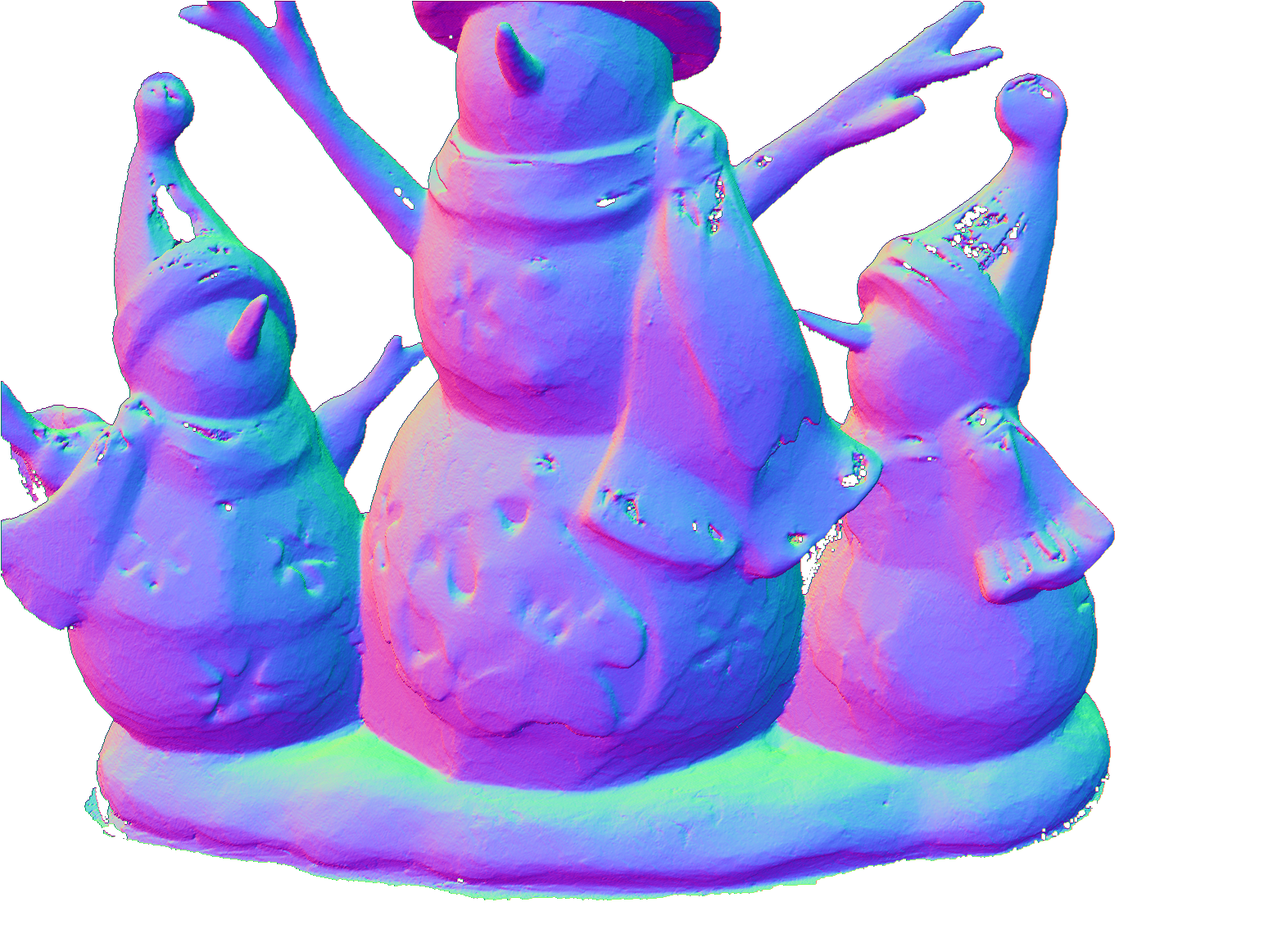
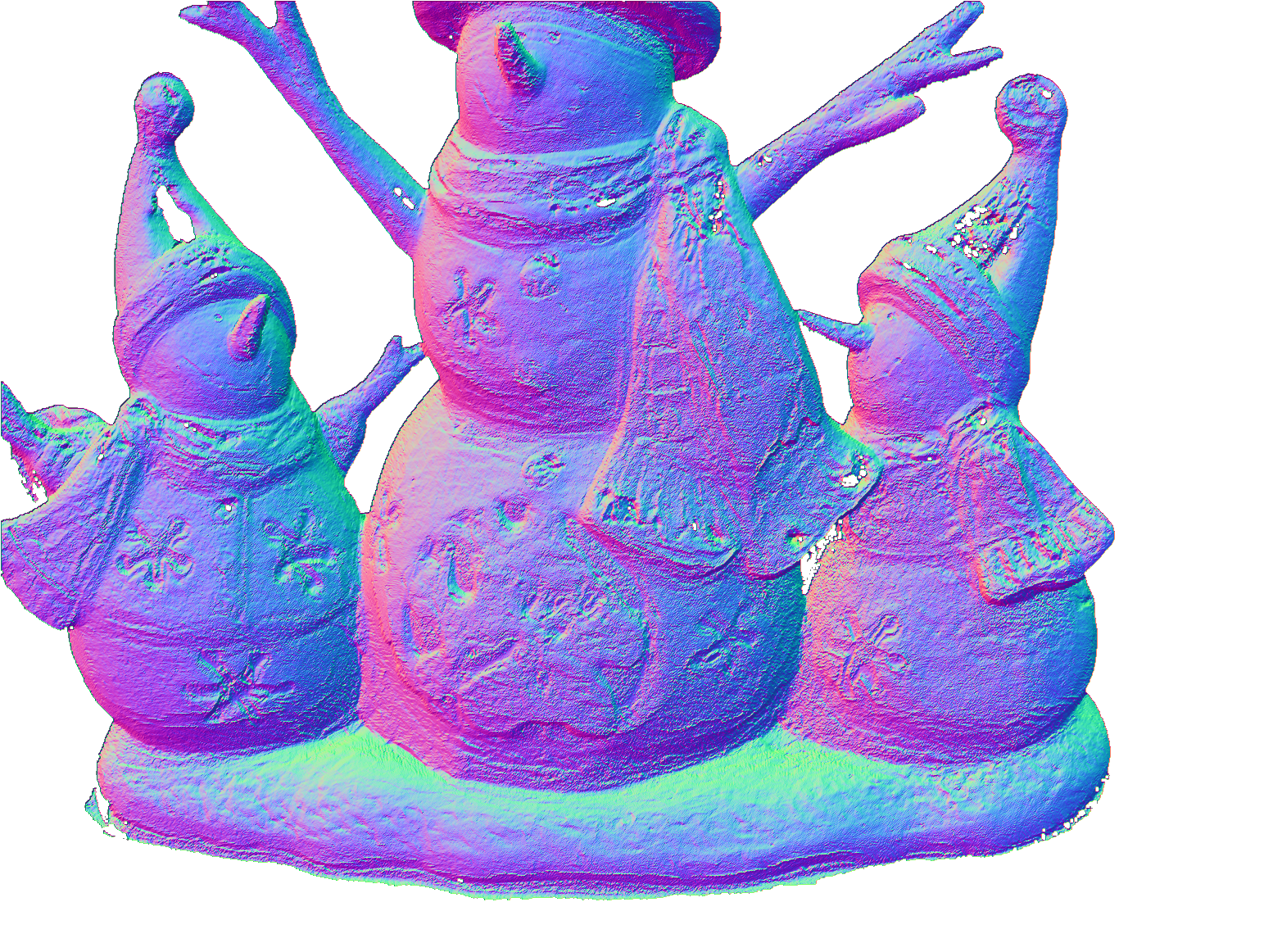
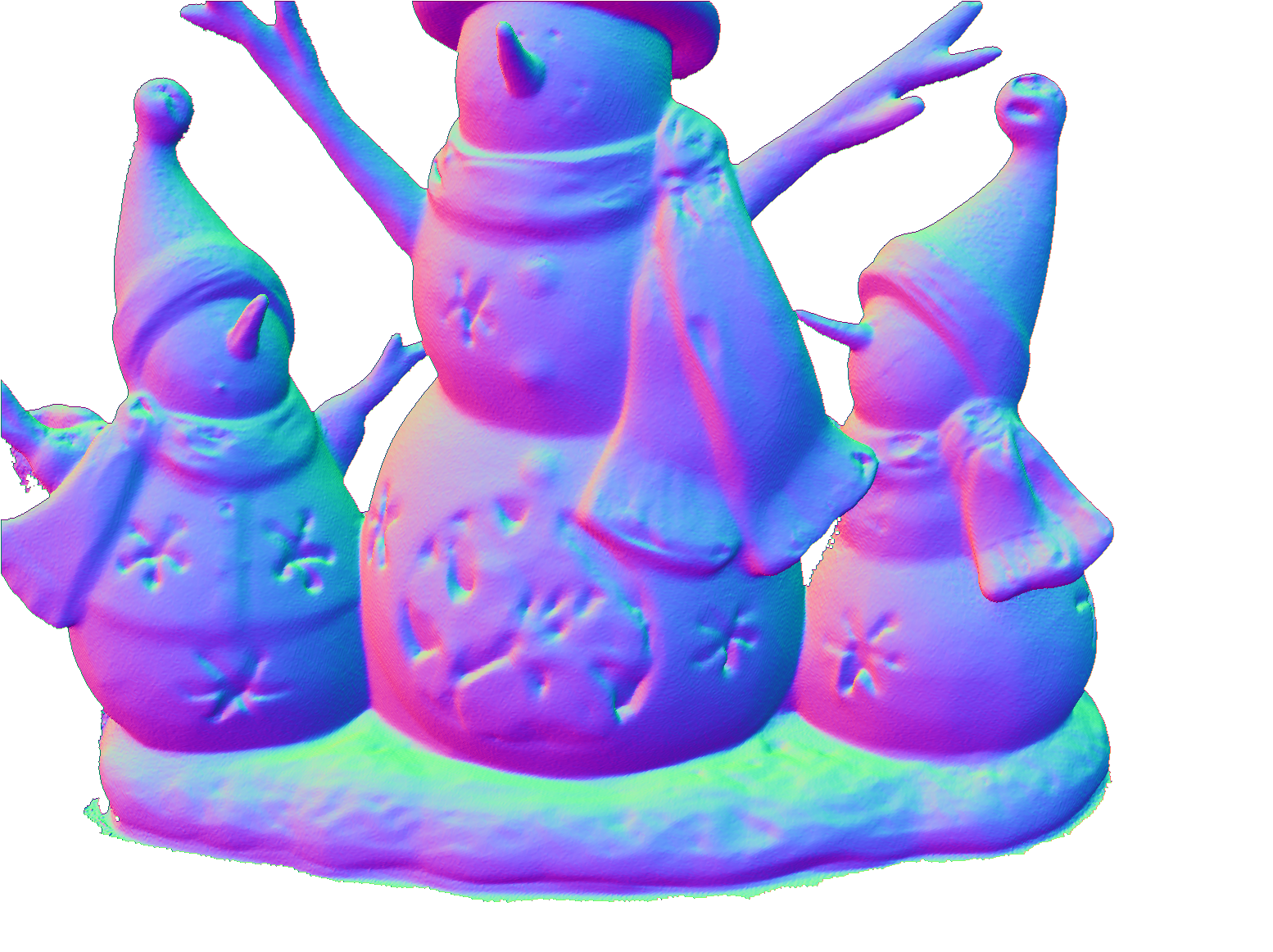
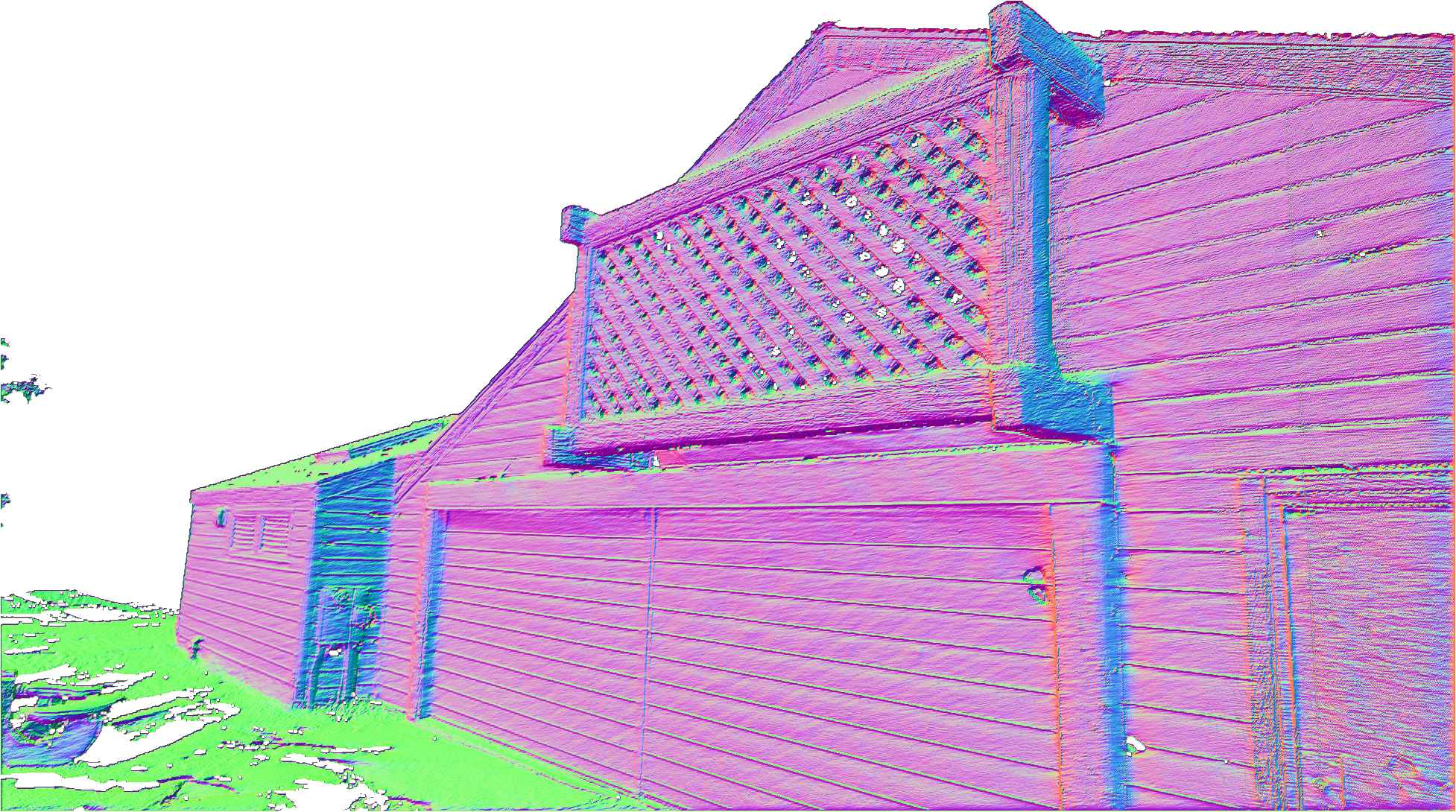
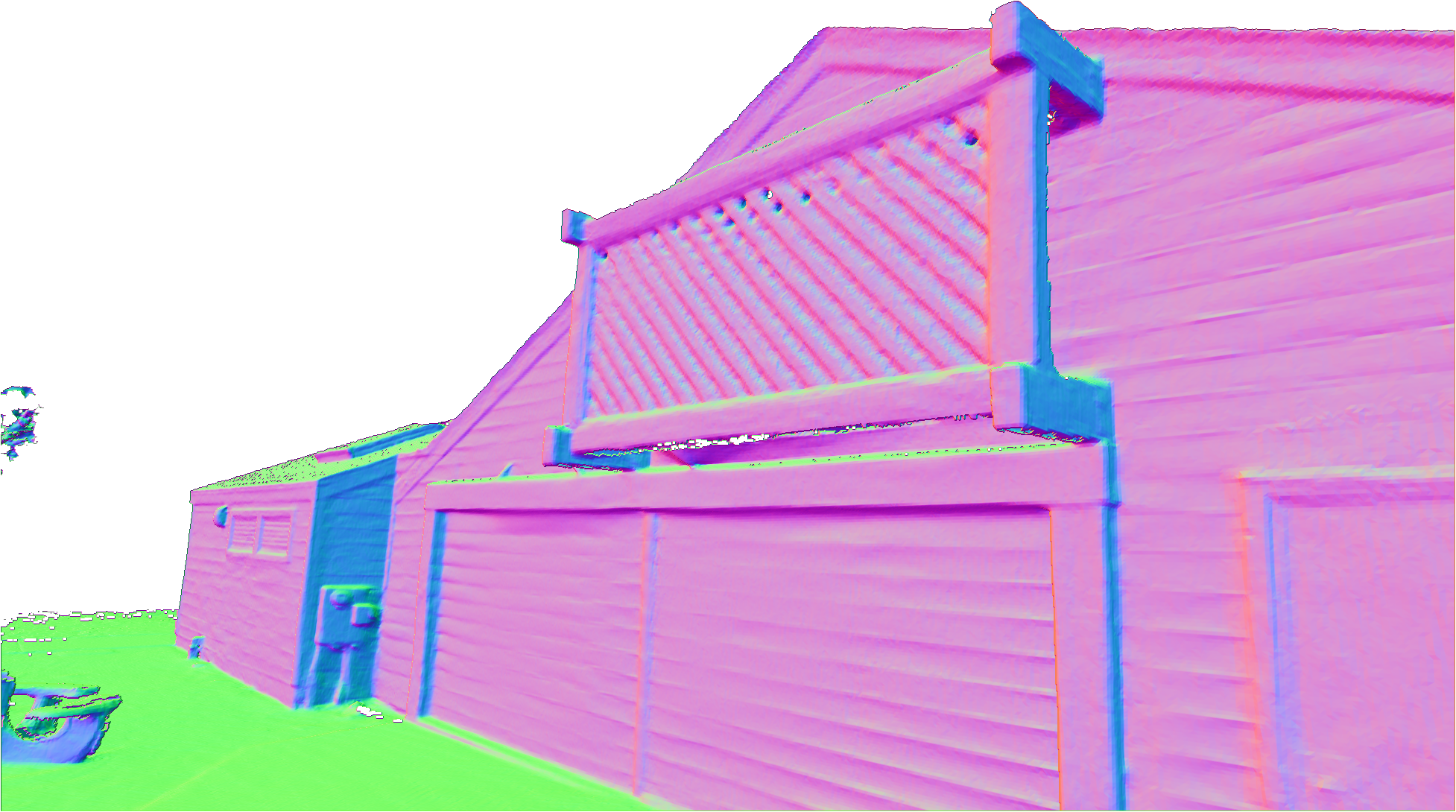
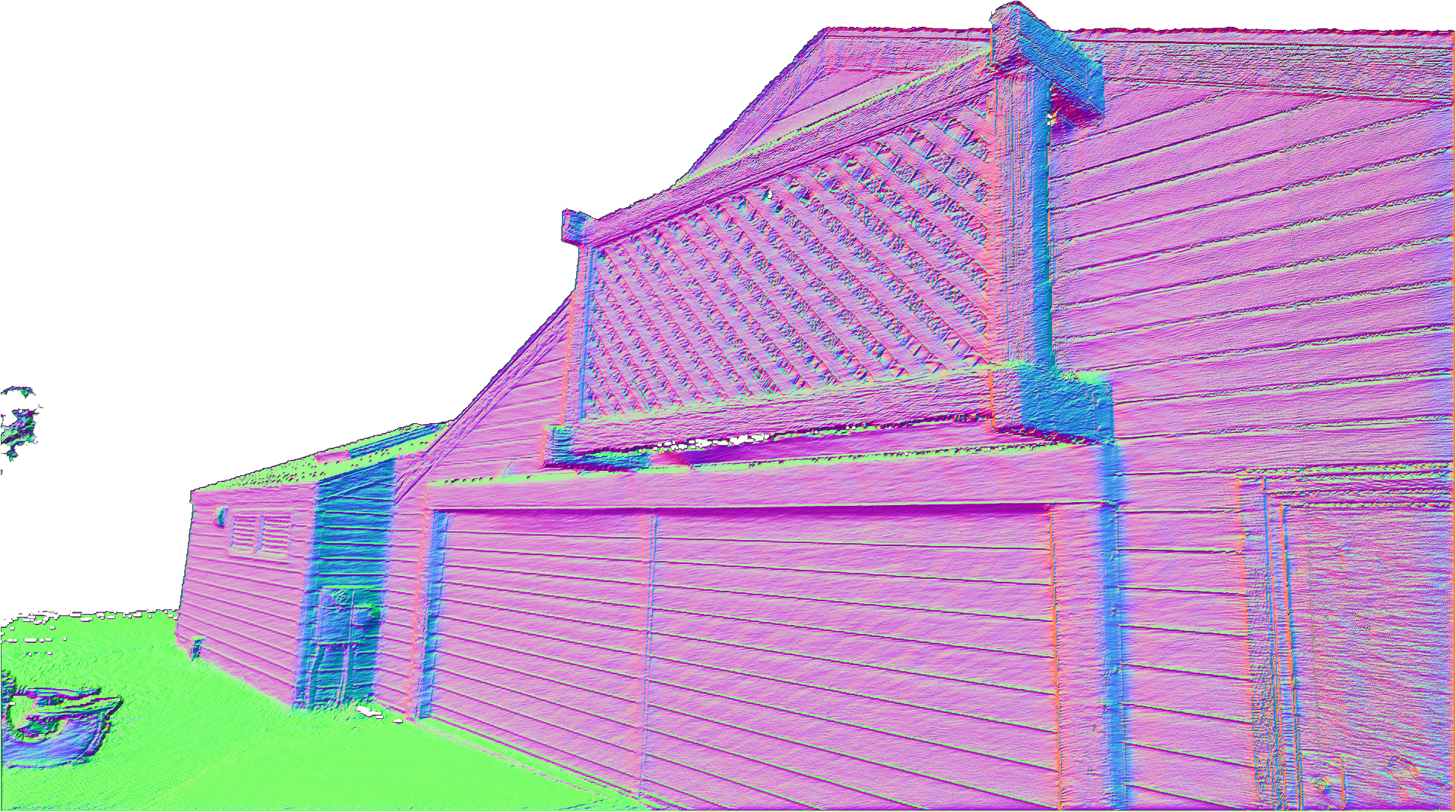
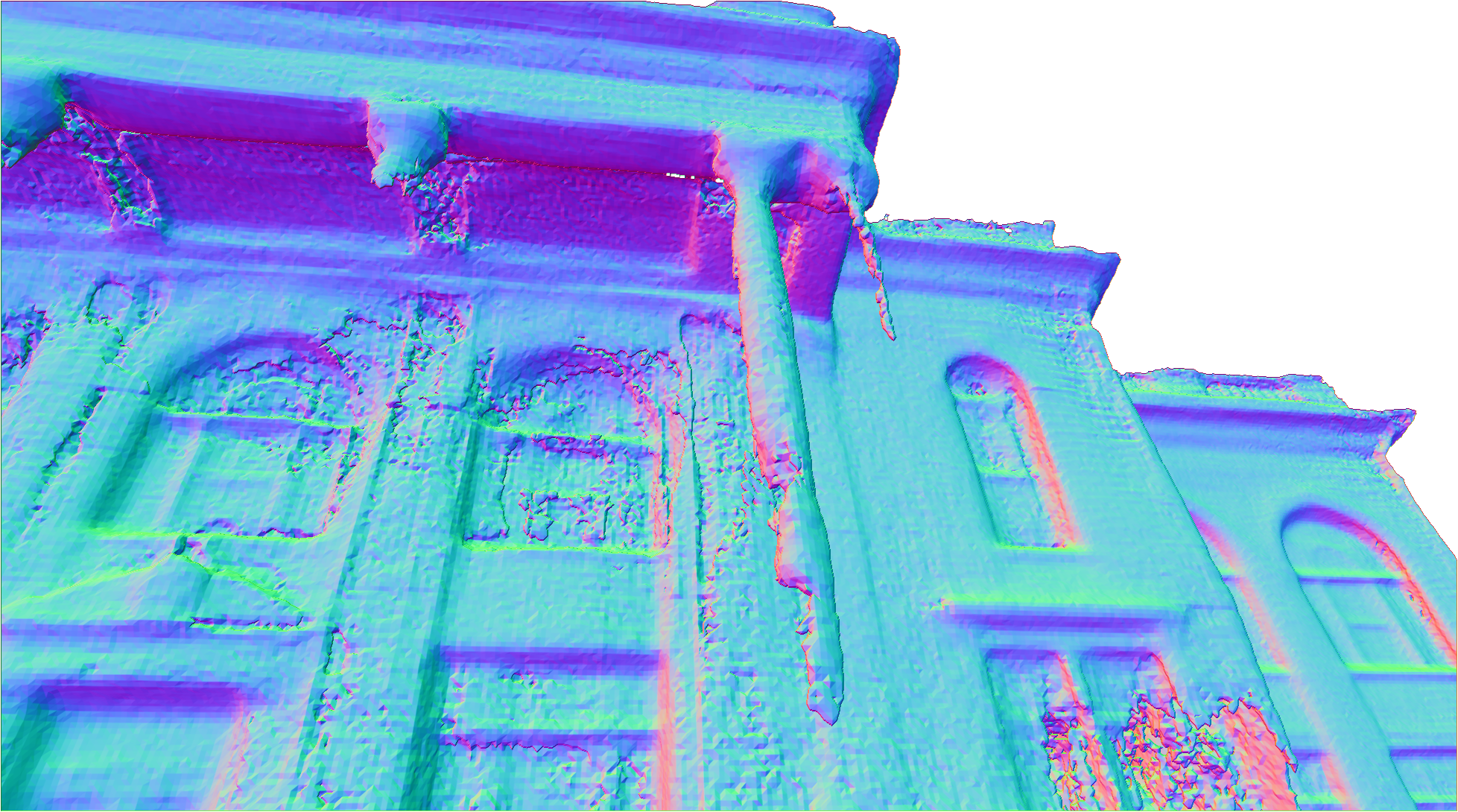
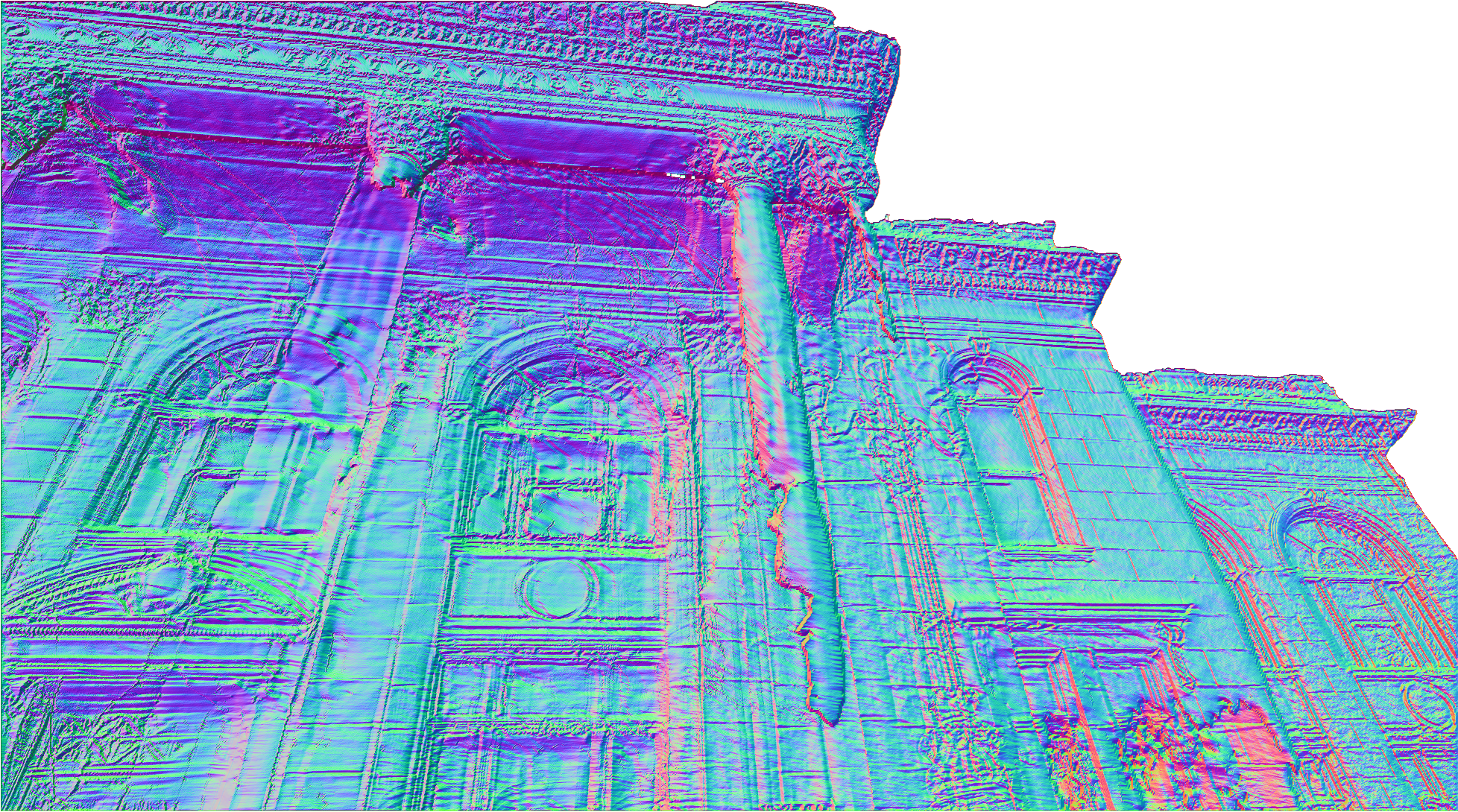
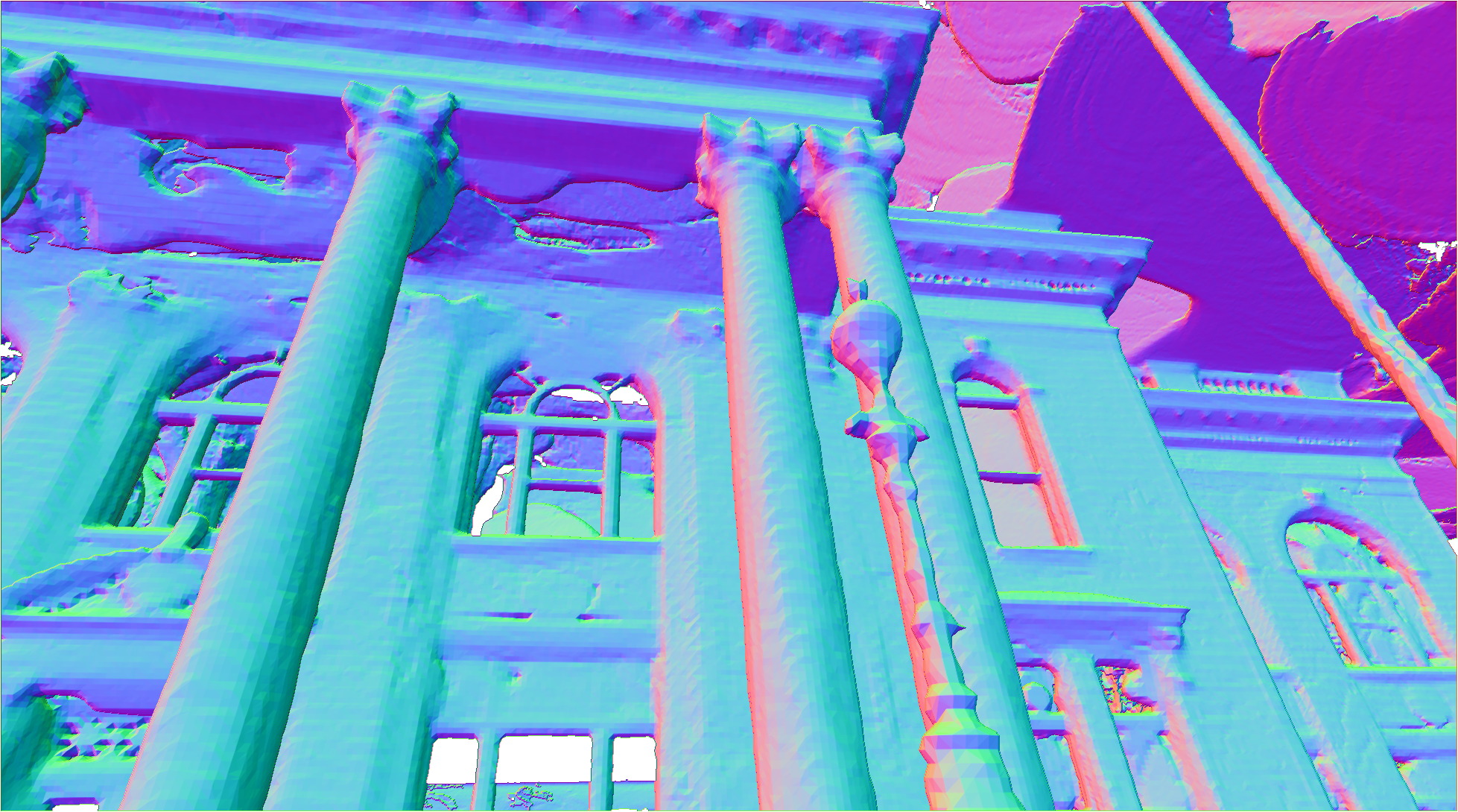
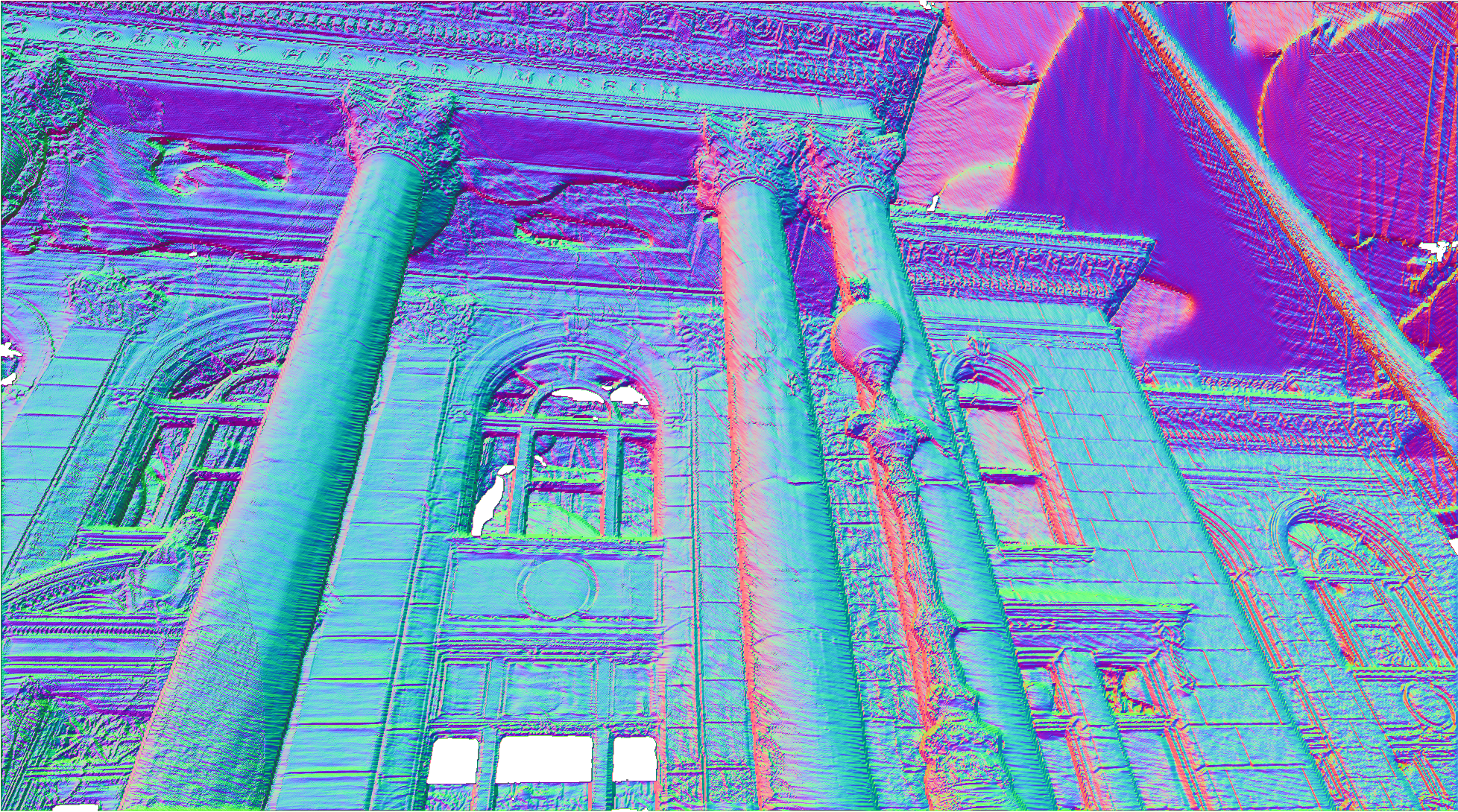
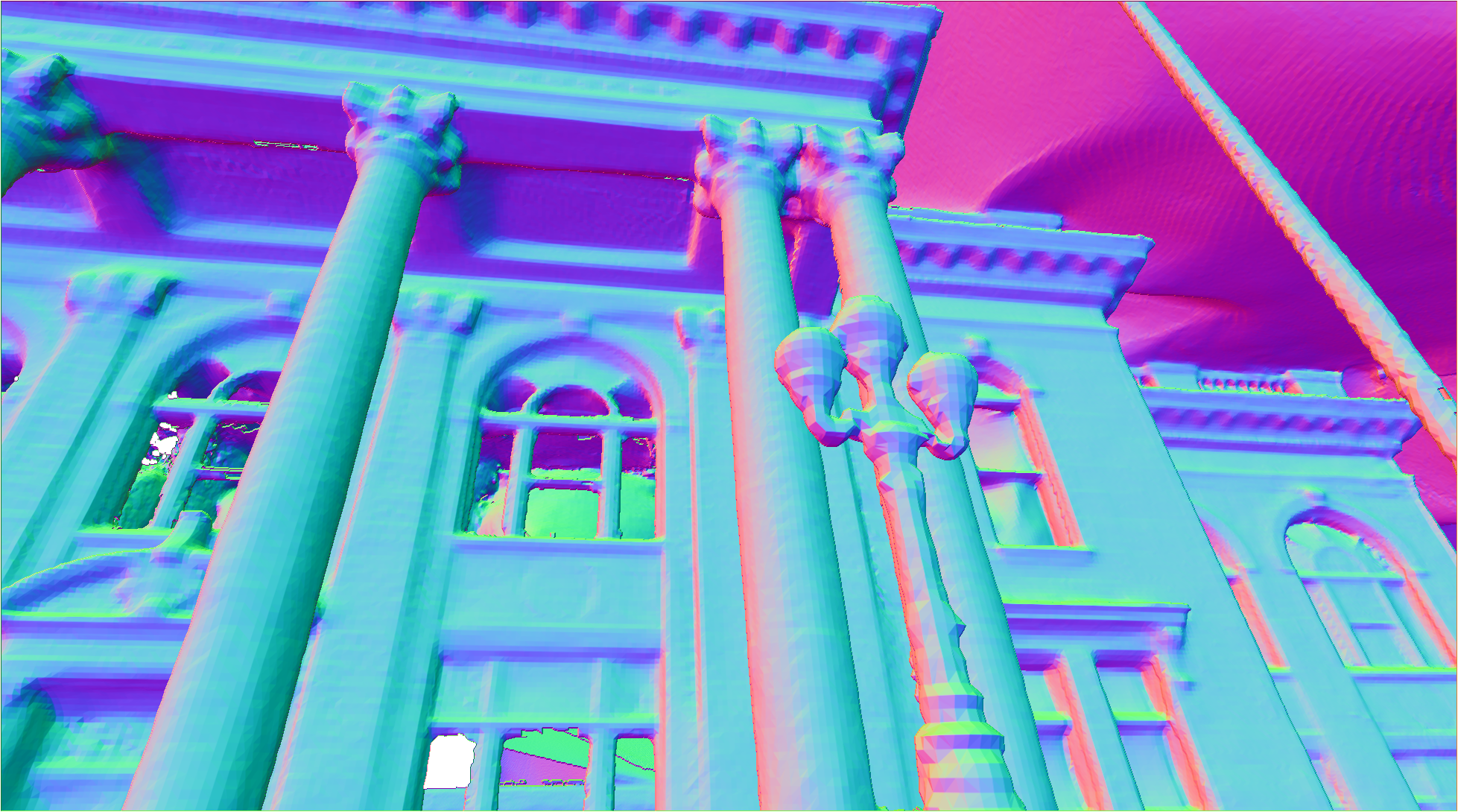
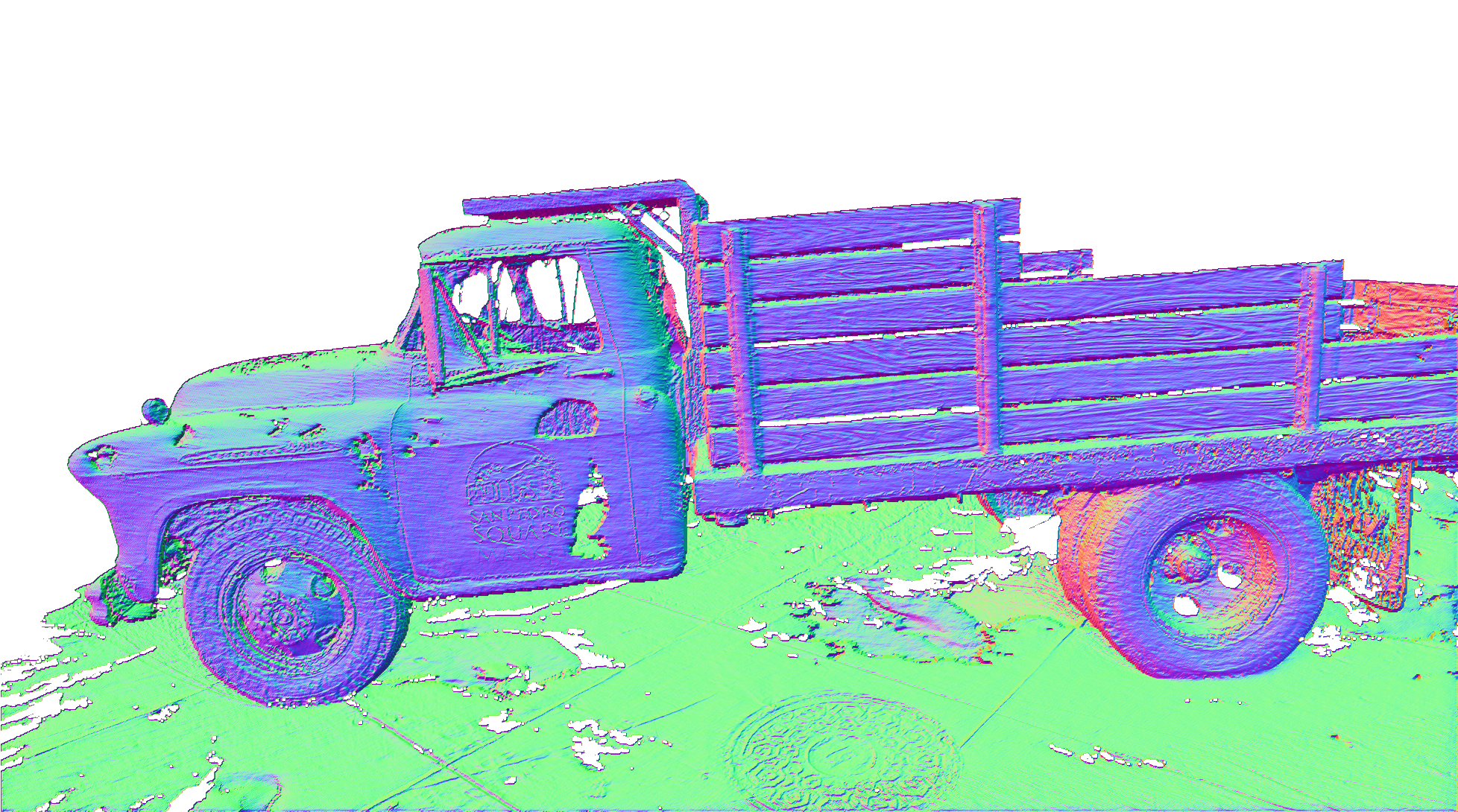
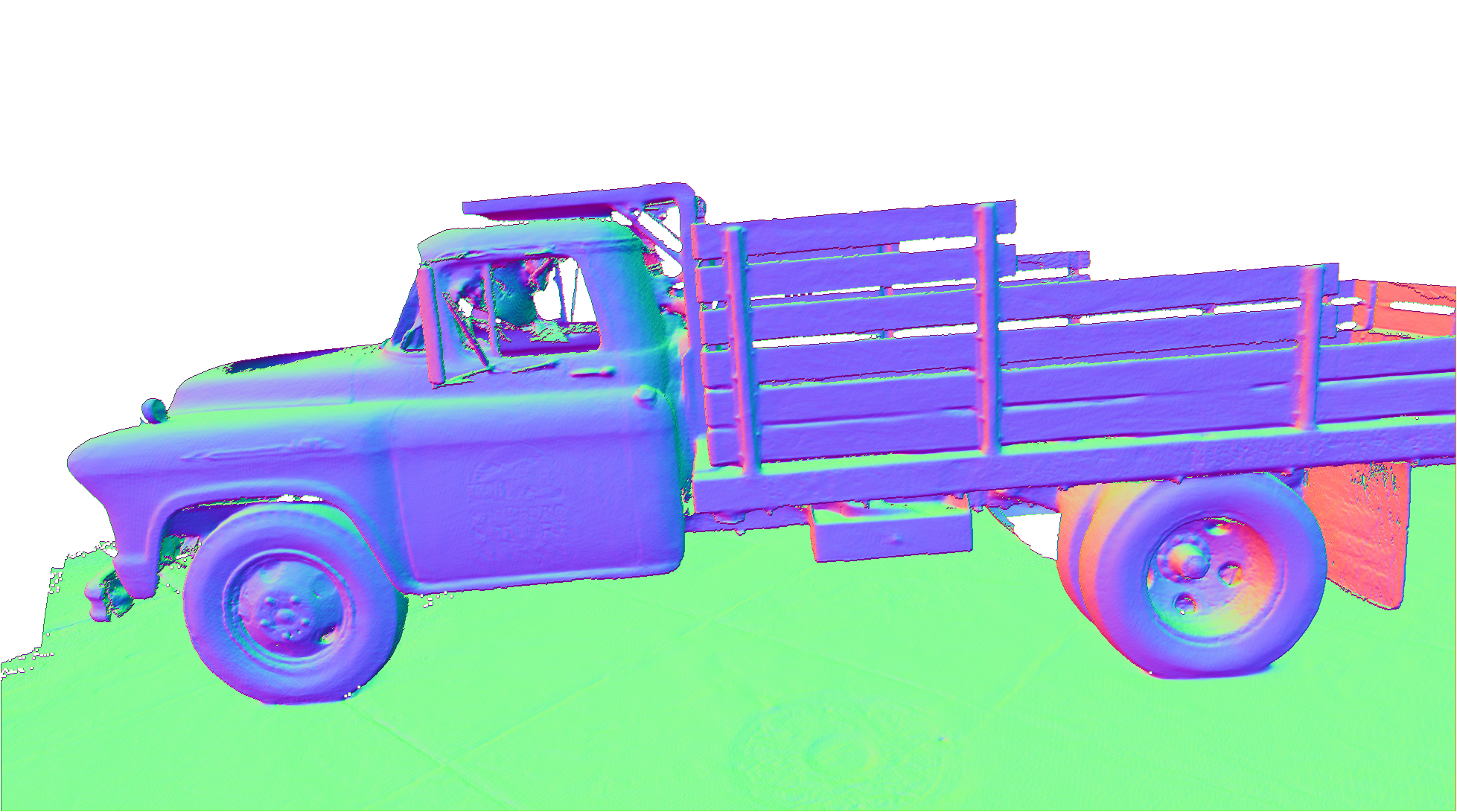
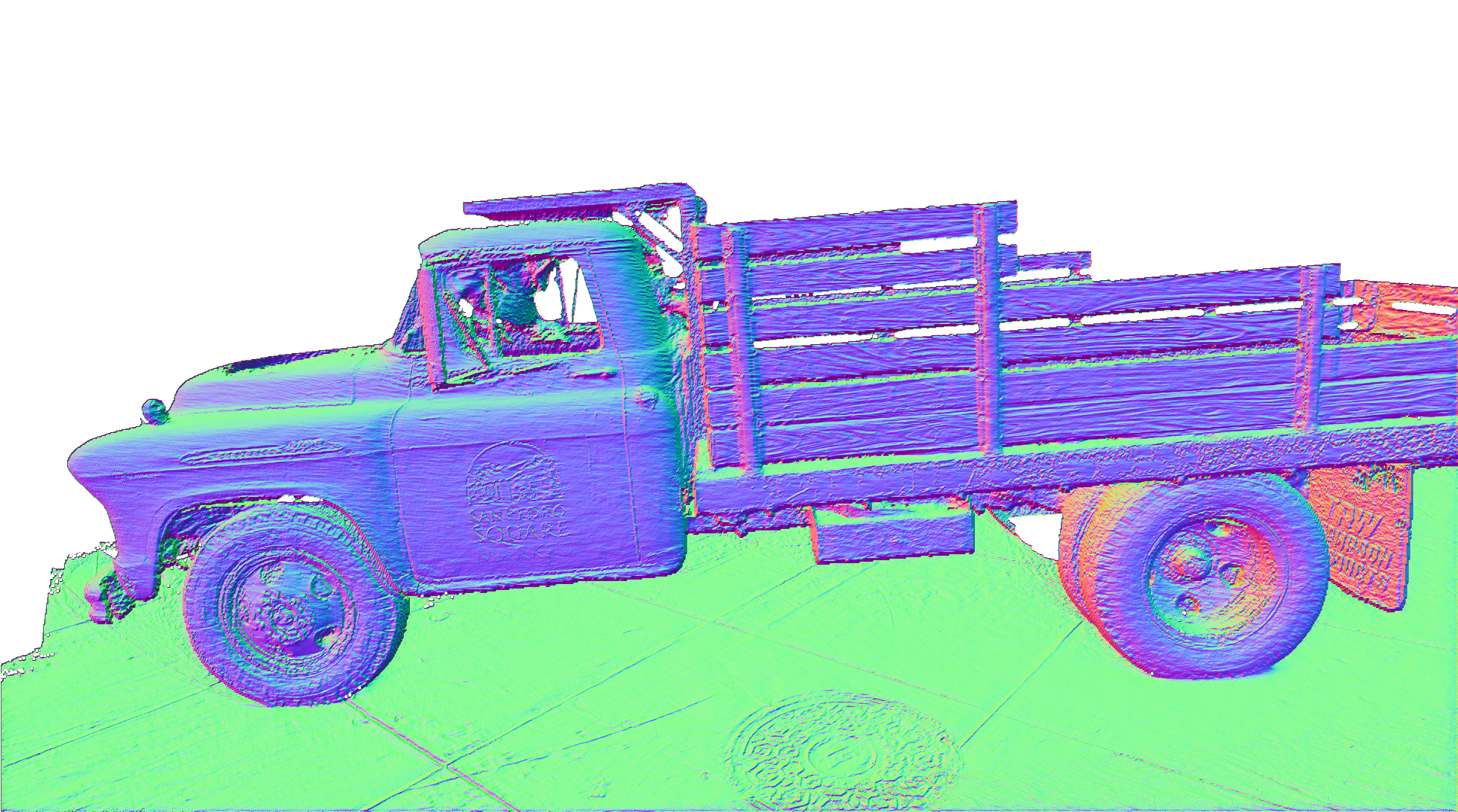
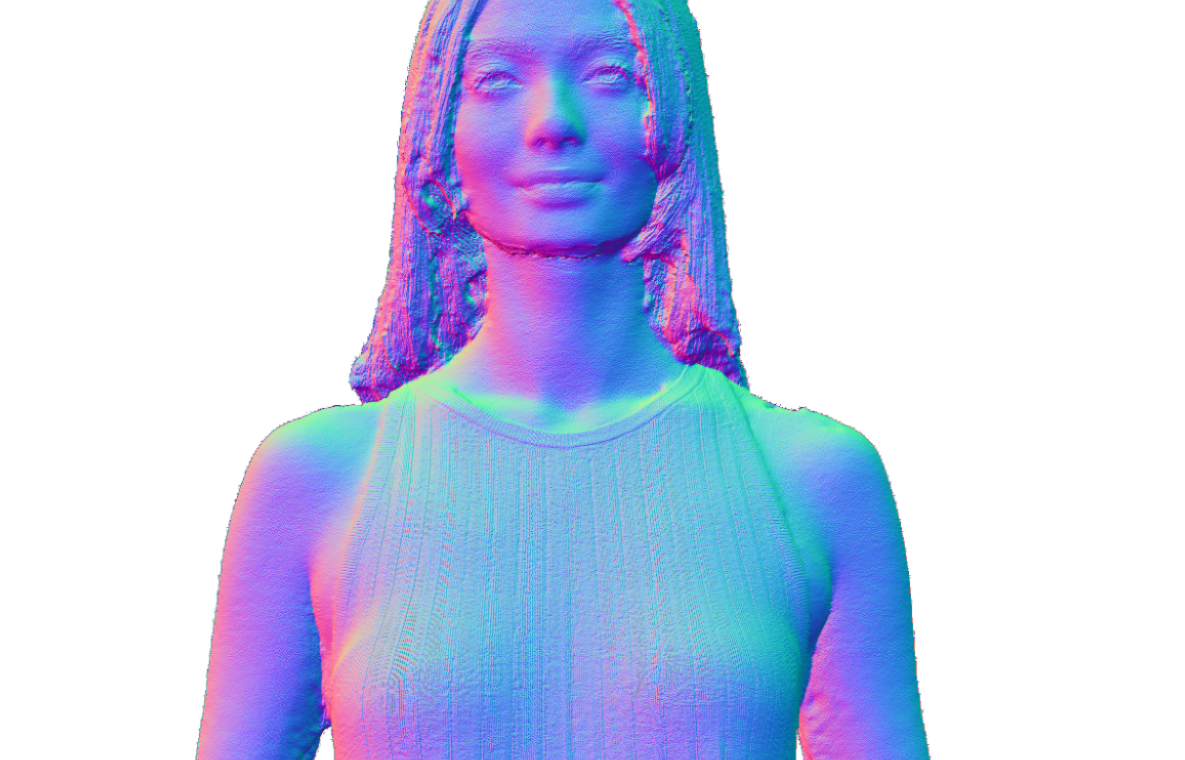
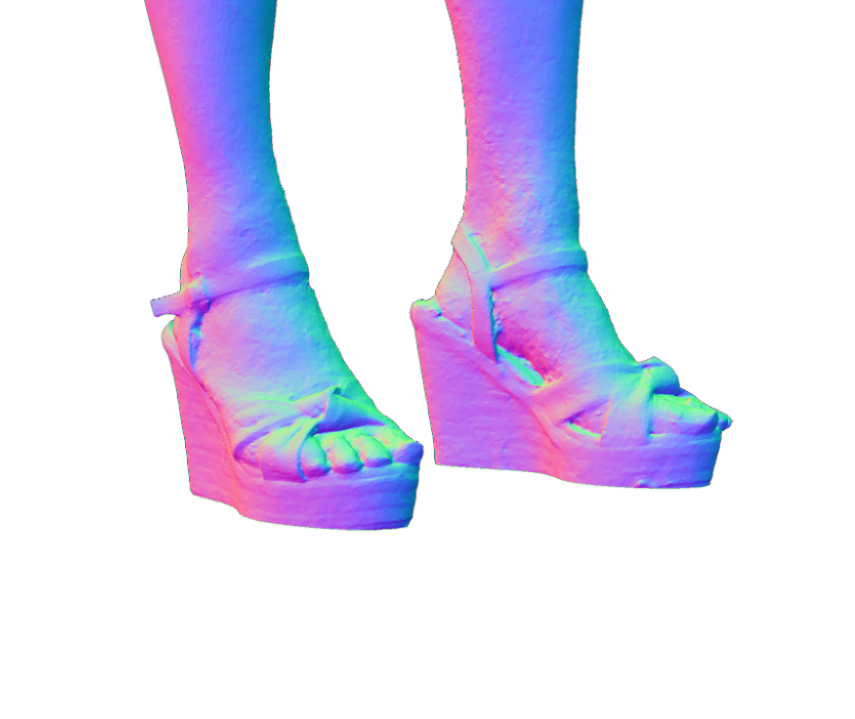
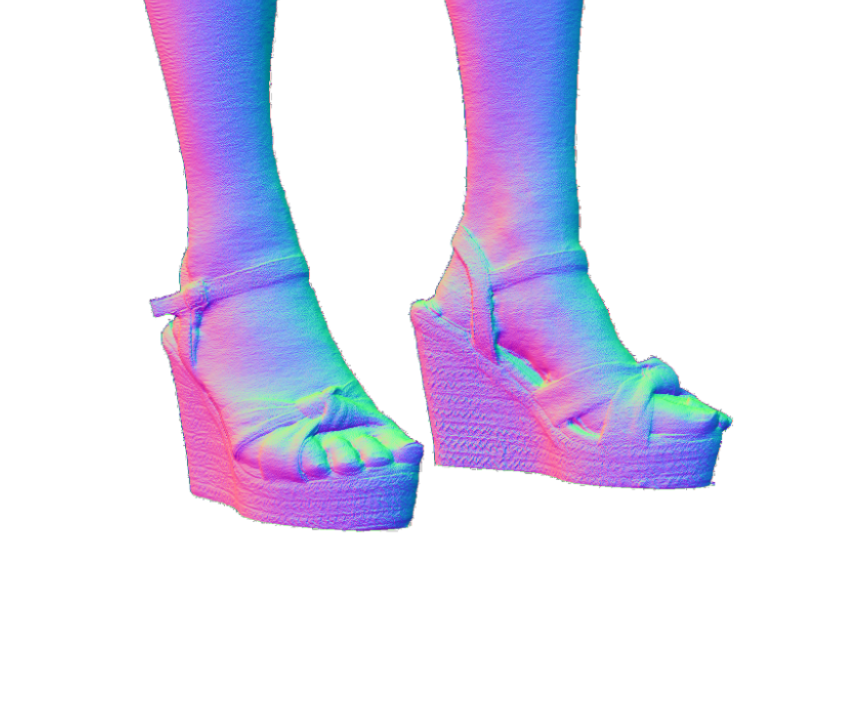
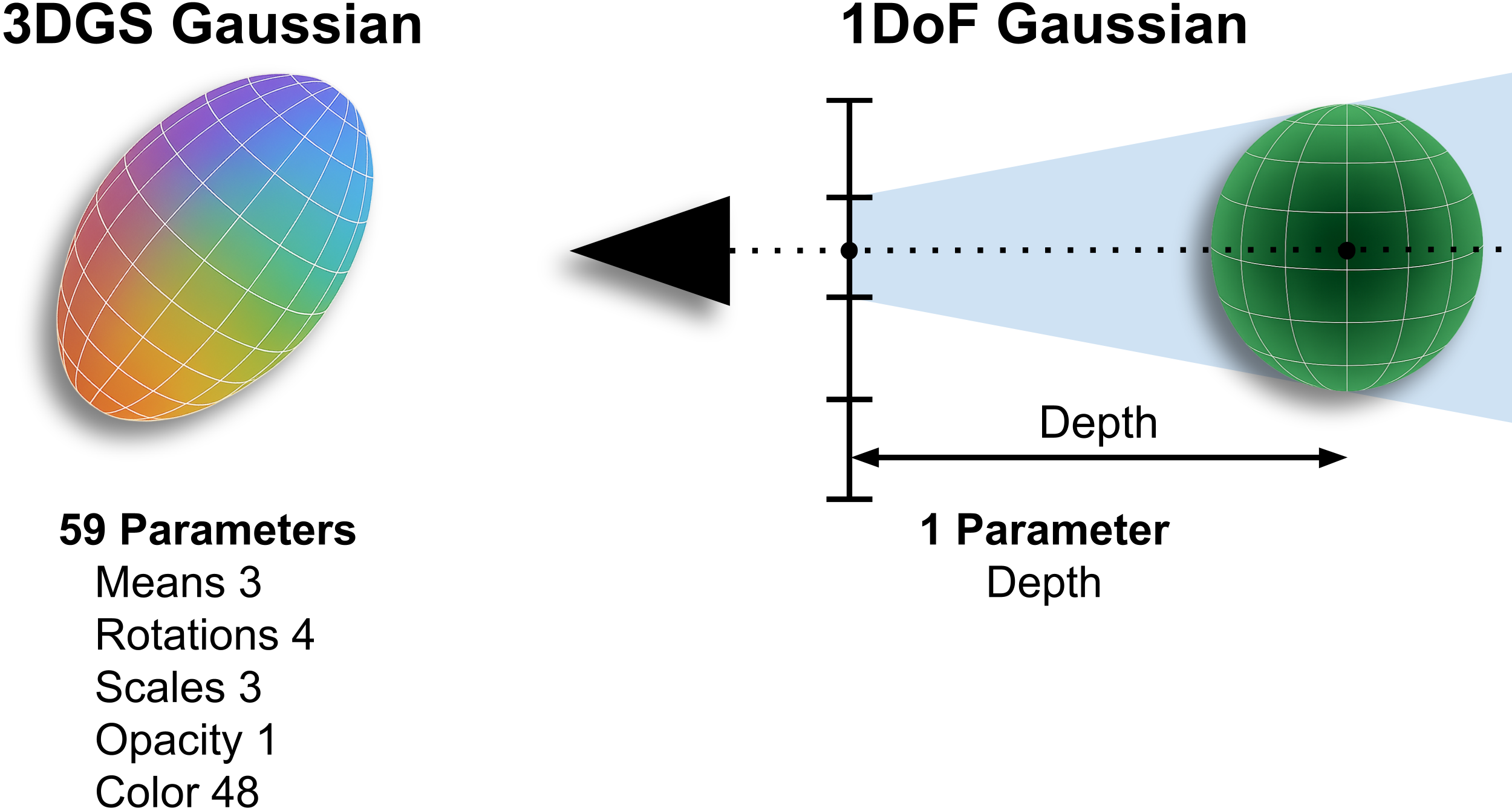
Each pixel gets one Gaussian tied to its camera ray, with all its parameters derived from the depth, so only depth is optimized.
Renders only the visible front surface at each pixel, filtering out Gaussians from hidden surfaces behind it.
1DoF Gaussians. By conditioning the Gaussian parameters on depth and reducing the optimization from 59 parameters to a single depth variable, PAGaS substantially lowers the optimization, memory, and runtime requirements. This enables refinement at full input resolution under practical compute budgets and without pretraining, whereas prior Gaussian-based baselines in the paper require aggressive downsampling or incur sharply higher memory and runtime costs at higher resolutions.
Opacity-Aware 3DGS Rasterizer. Unlike standard Gaussian rasterizers, which alpha-blend all overlapping splats, this occlusion-aware rasterizer identifies the visible front surface at each pixel and rejects Gaussians from deeper, hidden surfaces. This prevents background bleed-through and produces clean depth compositing without needing extra Gaussians to make the foreground opaque.
The code includes an easy to use end-to-end automatic 3D reconstruction pipeline with run_automatic.sh:
We evaluate PAGaS quantitatively on standard multi-view reconstruction benchmarks.
Baselines include 2DGS, PGSR, and MVSAnywhere. Reproduce the paper numbers with
eval.sh
We also evaluate qualitatively on:
@misc{recasens2026pagaspixelaligned1dofgaussian,
      title={PAGaS: Pixel-Aligned 1DoF Gaussian Splatting for Depth Refinement},
      author={David Recasens and Robert Maier and Aljaz Bozic and Stephane Grabli and Javier Civera and Tony Tung and Edmond Boyer},
      year={2026},
      eprint={2604.22129},
      archivePrefix={arXiv},
      primaryClass={cs.CV},
      url={https://arxiv.org/abs/2604.22129},
}
Creative Commons Attribution-NonCommercial 4.0 International